In this article
New Zealand is, perhaps, the last expanse of land to be reached by the modern world. Suspended in the vastness of the South Pacific, Aotearoa—the land of the long white cloud—is far more than a travel destination; it is an untamed territory with a landscape as epic as seen in The Lord of the Rings. Across these islands, identity has been forged among volcanoes and sea winds, creating a varied and singular landscape. Those who call this land home refer to themselves as Kiwis, known for their quiet warmth and unhurried pace of life. Enjoyment is found in simple things: a weekend in the mountains, bike rides, or a road trip discovering new corners of the island.
At the heart of Oceania, multiple cultures converse today—English, Maori, and communities from Southeast Asia, Fiji, Tonga, Samoa, or India—bringing a rich, diverse identity to a land inhabited for only 700 to 800 years. It was this geographic isolation that allowed its unique ecosystem to evolve undisturbed until the arrival of its first voyagers.
What Does Aotearoa Mean?
Aotearoa is the traditional Maori name for New Zealand. Its most widely accepted translation is “the land of the long white cloud” (ao = cloud/world, tea = white/clear, roa = long or great). According to Polynesian oral tradition, this name originated when Kuramārōtini, wife of the legendary navigator Kupe, spotted a thick, elongated cloud bank on the horizon announcing land after weeks across the open Pacific.
The Whisper of the Voyagers
The first settlers of these islands were Polynesian ancestors who did not merely cross the Pacific—they navigated in dialogue with it. Around 1200 CE, guided by the stars and the flight patterns of seabirds, Maori navigators reached these shores. By the 14th century, they established permanent settlements, shaping the land’s identity through their distinct worldview.
For Maori, the earth (Papatūānuku) and the ocean (Tangaroa) are part of an indivisible whole sharing a common origin. They view nature as an ancestor and regard themselves as Kaitiaki (guardians), embracing the sacred responsibility of safeguarding the balance and vital life force of the environment for future generations.
💡 Traveler’s Note: If you are planning your journey or heading out on a working holiday to explore the country, do not miss our Christchurch Working Holiday Guide: Jobs, Costs & Life in NZ, where we break down real weekly budgets, hourly wages, and how to secure flat rentals in the South Island.
The Spirit Within the Wood
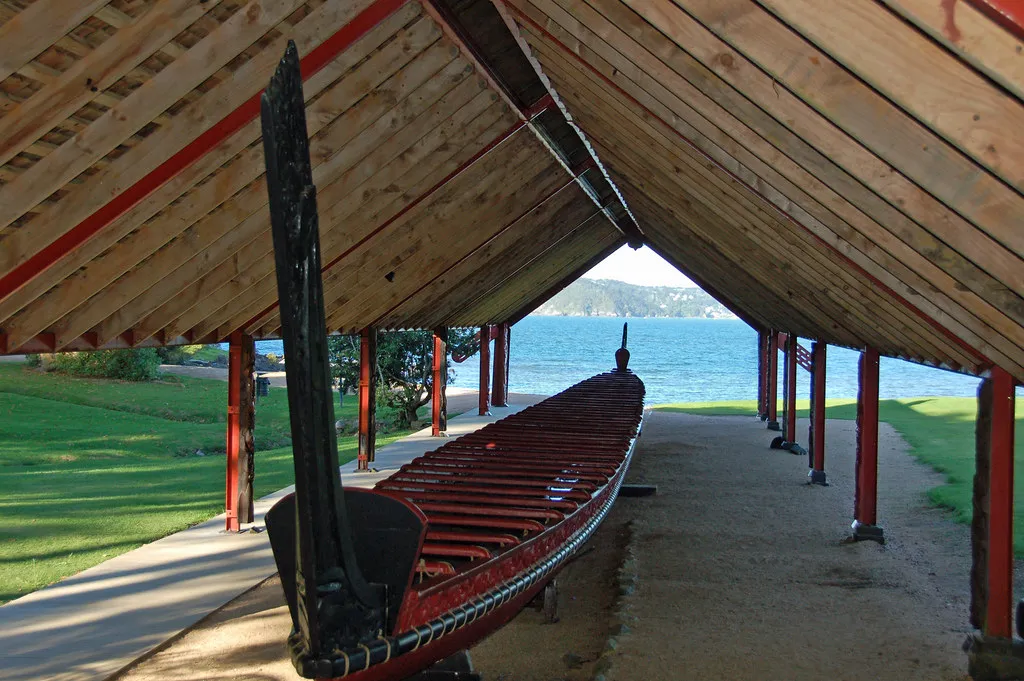
A tangible illustration of this ethos was what we learned at the Auckland War Memorial Museum (Tāmaki Paenga Hira), where we discovered that crafting a traditional canoe (Waka) went far beyond building transport: it was a ritual of deep reverence. In essence:
- The bond with Tāne Mahuta: Giant forest trees like the Kauri are considered children of the God of the Forest. They were never felled as mere timber; permission was sought through ceremonial prayers and chants (Karakia).
- Listening to the tree: The Tohunga (master expert) selected the trunk according to its spiritual vitality. It was believed the tree itself had to agree to become a vessel to protect its crew.
- Lifting the Tapu: Once felled, intricate rituals were performed to remove the sacred restriction (Tapu), enabling carvers to shape the timber without offending the deities.
Threads of History
Centuries later, this sacred connection to the land met a contrasting worldview. European arrivals fundamentally altered the island’s landscape through formal treaties and profound territorial tensions:
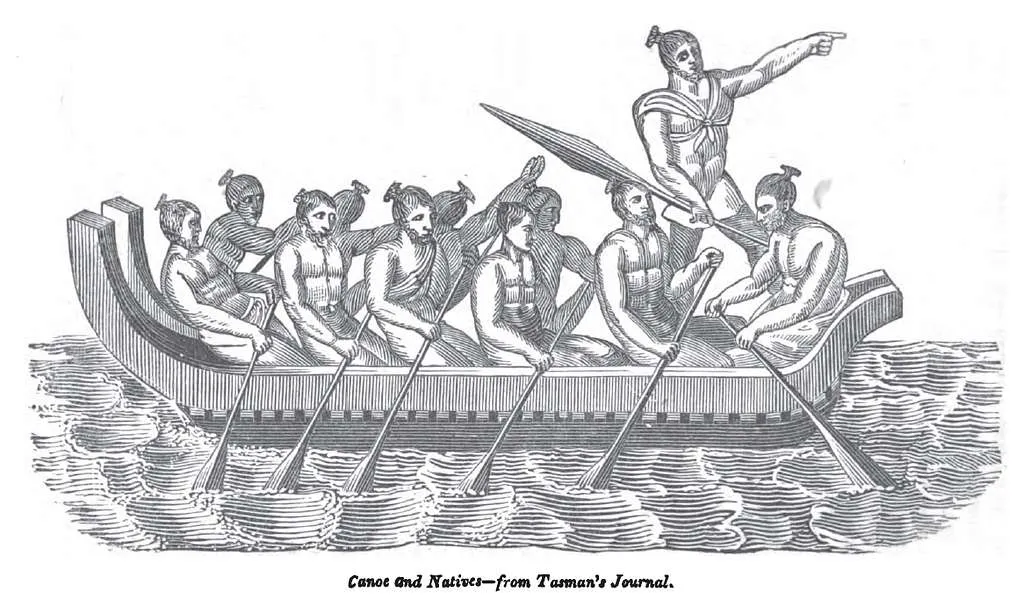
- 1642: First European contact with Dutch explorer Abel Tasman; an encounter that ended in conflict and swift departure.
- 1769: James Cook arrives and meticulously charts the islands, sparking formal British colonial interest.
- 1800 – 1840: A period of unregulated European settlement driven by whalers, missionaries, timber merchants, and the musket trade, creating escalating social tensions that hastened British Crown intervention.
- 1840: The signing of the Treaty of Waitangi (Te Tiriti o Waitangi).
This founding document remains in effect today as a treaty between the British Crown and Maori chiefs. In theory, the Crown was granted governing authority (Kāwanatanga) in exchange for guaranteeing Maori full chieftainship and sovereignty over their lands, settlements, and prized treasures (Tino Rangatiratanga). Today, the New Zealand Government acts as the custodian of these Crown commitments; however, divergent interpretations between the English and Maori texts remain a source of ongoing legal and cultural dialogue.
A Story Still in the Making
Museums in Rotorua and Christchurch document critically how colonial intervention transformed the natural landscape. Where one culture saw an ancestral relation, the other saw timber and pasture, leaving ecological marks that remain actively debated today, including river catchment quality and soil degradation from pastoral intensification.
Despite these historical wounds, New Zealand is recognized globally for environmental protection and legal innovation—pioneering laws that grant legal personhood to rivers and national parks, legally enshrining them as living entities with their own rights.
This ongoing dialogue between ancestral guardianship and modern civic life is what defines contemporary Aotearoa.
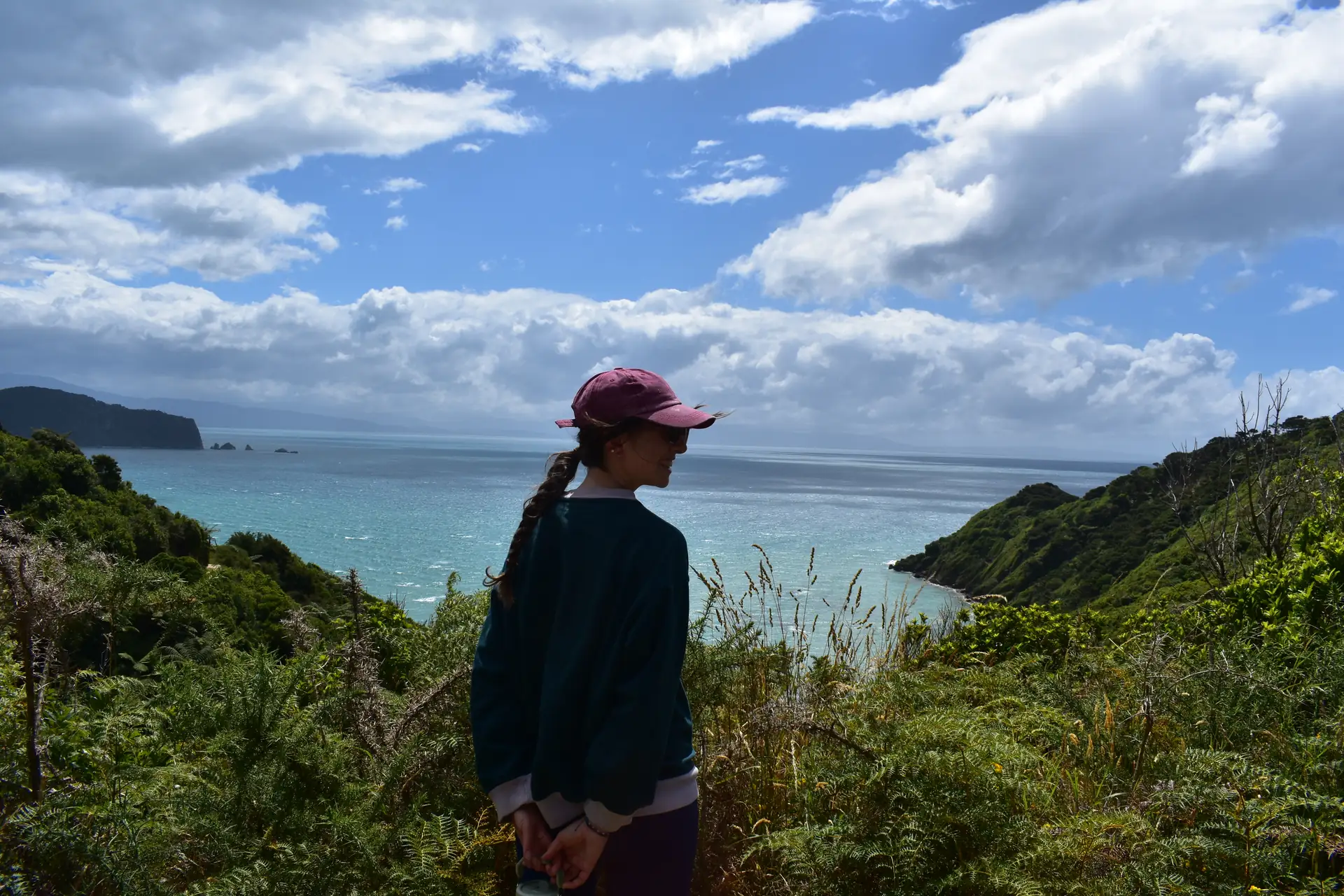 Abel Tasman National Park: coastal waters and cloud line
Keep Exploring New Zealand
-
🗺️ North Island Road Trip: Itinerary & First Steps
Your first days landing in Auckland: route logistics, must-see stops along the east coast, and slow-travel tips. -
🌿 The Story of Coromandel: From Extraction to Conservation
The transformation of one of New Zealand’s greenest peninsulas: from gold rush logging to an inspiring ecological sanctuary. -
🏔️ Arthur’s Pass & Kura Tāwhiti: Crossing the Southern Alps
Hiking among limestone monoliths, alpine passes, and the ultimate scenic route connecting Canterbury to the West Coast. -
💼 Christchurch Working Holiday Guide: Jobs, Costs & Life in NZ
Real 2026 weekly budget, room rental rates, minimum wage realities, and practical advice for settling in the South Island.