In this article
- 1. The Māori legacy: “The spine of Māui’s fish”
- The mythological origin:
- 2. The origin of the name and European contact
- 3. The start of industrial forest extraction: kauri and gum
- 4. New Zealand’s gold rush
- 5. Decline and the return to nature
- Practical tips for your visit
- 6. Where to stay, nearby towns
The Coromandel Peninsula is without a doubt a very beautiful place, but it doesn’t only stand out for its beauty today; it was also the stage for deep cultural and industrial transformations in New Zealand.
In this article we’ll share a bit about its history, divided into the following sections:
1. The Māori legacy: “The spine of Māui’s fish”
The mythological origin:
For the Māori, this place is sacred. Its original name is Te Tara-o-te-Ika-a-Māui, or “the barb or spine of Māui’s fish”. In their cosmology, the North Island is a great fish caught by the demigod Māui, and Coromandel represents its backbone.
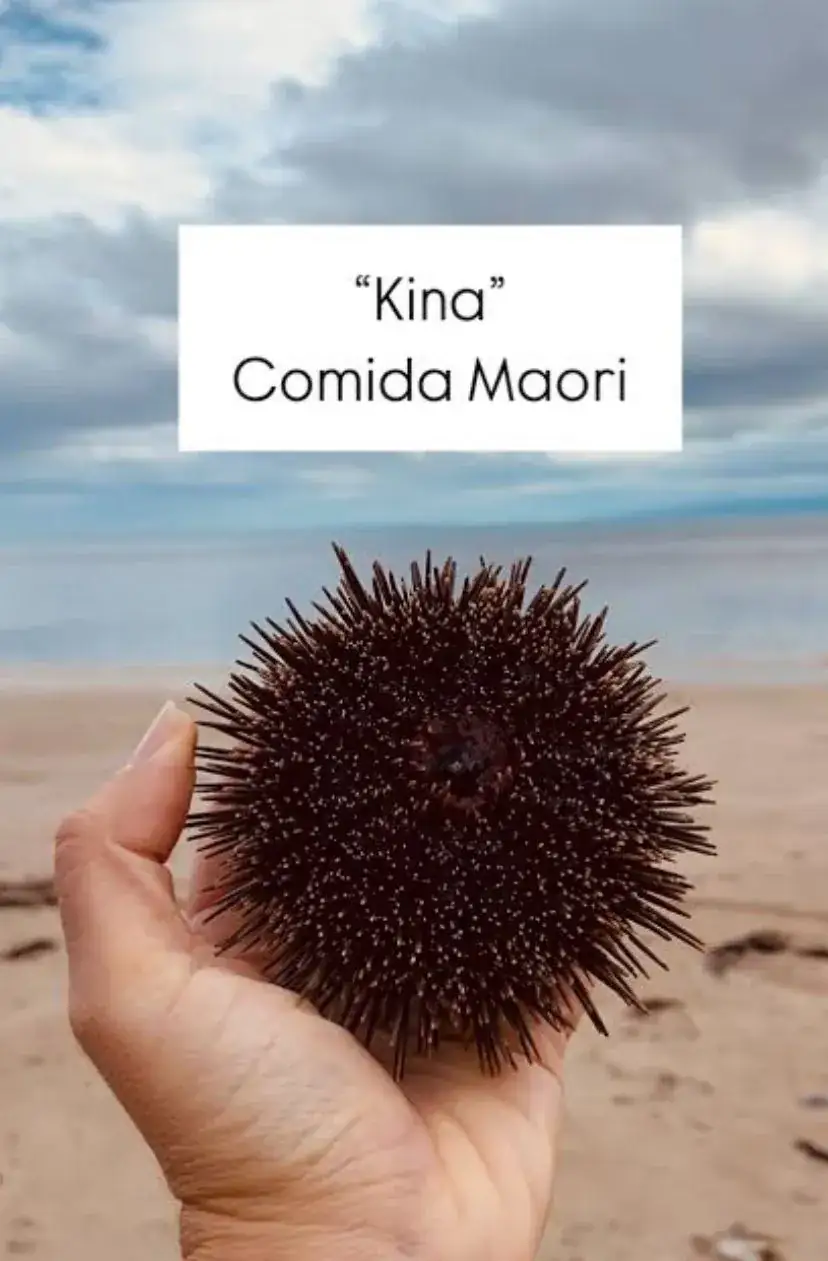 Kina (sea urchins), a Māori food, New Zealand
For more than 1000 years, tribes such as Te Patukirikiri and Ngāti Maru lived in the Hauraki region. It was, quite literally, a self-sufficient paradise; they called it “Ko Manaia, he pataka kai” (“Manaia, the food storehouse”) because of its abundance of seafood and fertile land.
In fact, not long ago, while walking along the shore, we met two Māori men who kindly invited us to try some freshly gathered kina (sea urchins). They opened them with their bare hands and offered them to us as “real food”. It was a tangible reminder that this ancestral connection with the land is still alive, even if sometimes all you need to find it is a little curiosity.
2. The origin of the name and European contact
Captain Cook (1769): The famous British explorer James Cook reached the east coast in 1769, specifically Mercury Bay, which carries that name today because he stopped there to observe the transit of the planet Mercury and make astronomical charts.
It all started with a ship, HMS Coromandel (1820): The peninsula isn’t named with a traditional Māori or English name, but after a Royal Navy ship: HMS Coromandel (itself named after the Coromandel Coast in India). The ship anchored in the bay in 1820 for the sole purpose of buying native timber to turn into masts for British warships. It was the first sign of what was to come.
3. The start of industrial forest extraction: kauri and gum
The wooden giants: During the 19th century, the peninsula went through a drastic transformation. Its land was originally covered by dense forests of kauri (Agathis australis), majestic, sacred trees that can live for more than 1000 years, and indiscriminate logging became the extractive industry par excellence.
For the settlers, kauri was green gold. They developed a system of brutal engineering: “kauri dams” (wooden dams). They held back water in the mountains and, when they opened the dams, unleashed controlled floods that swept giant logs down to the ports. It was so extractive that by 1900 three quarters of these forests had disappeared.
Today, protecting this sacred species is one of the reasons why there’s so much emphasis on cleaning your footwear when entering protected areas, to prevent kauri dieback (the tree’s roots rot and it dies).
4. New Zealand’s gold rush
The first discovery (1852):
Coromandel Town is where gold was first discovered in New Zealand, in 1852, at Driving Creek, by Charles and Frederick Ring, brothers who had come from England.
The Thames boom (1867):
Although the first find ran out quickly, the real “boom” happened in Thames in 1867. The gold rush drew so many miners that Thames nearly overtook Auckland in population, temporarily becoming one of the largest and noisiest towns in the country. On the peninsula there’s a museum called The Treasury that tells this history in detail, with photos, models and interactive areas.
Quartz mining
Quartz extraction also began in 1862. Unlike the river gold of the South Island, Coromandel’s gold was trapped inside hard quartz rock. That meant heavy machinery (stamper batteries, which were giant iron hammers) was needed to crush the stone, along with grueling work that left the peninsula full of smoke, noise and underground tunnels.
5. Decline and the return to nature
By the early 20th century, both the gold mines and the kauri reserves were running out. The peninsula fell silent and turned, for a time, to farming and fishing.
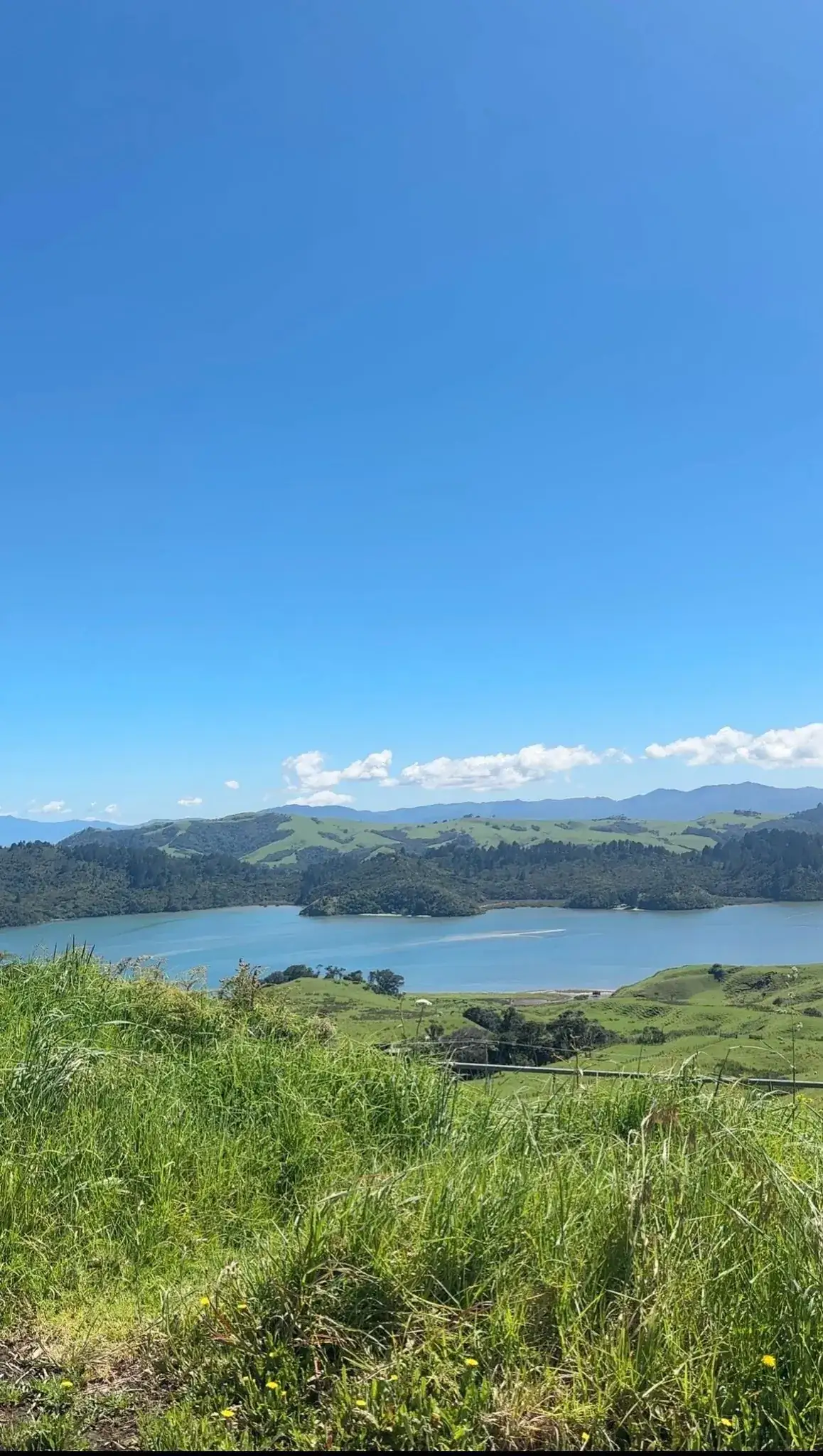
In the 1970s the ecological wound began to heal thanks to strong conservation movements, and the area started attracting craftspeople, potters and people looking for a calm, alternative lifestyle, giving rise to the bohemian, laid-back atmosphere that defines the Coromandel Peninsula today.
Practical tips for your visit
- Getting around: The best way to explore it is by driving its coastal road. The views are incredible, but it’s quite narrow, with tight bends and cliffs, so you need to drive patiently (it took us a lot longer than Google Maps suggested).
- Budget and accommodation: There’s a huge range, from campgrounds for campervans to luxury lodges.
- Conscious traveler tip: Clean your shoes every time you see a cleaning station. It’s simple, and it’s the only way to protect the last kauri forests.
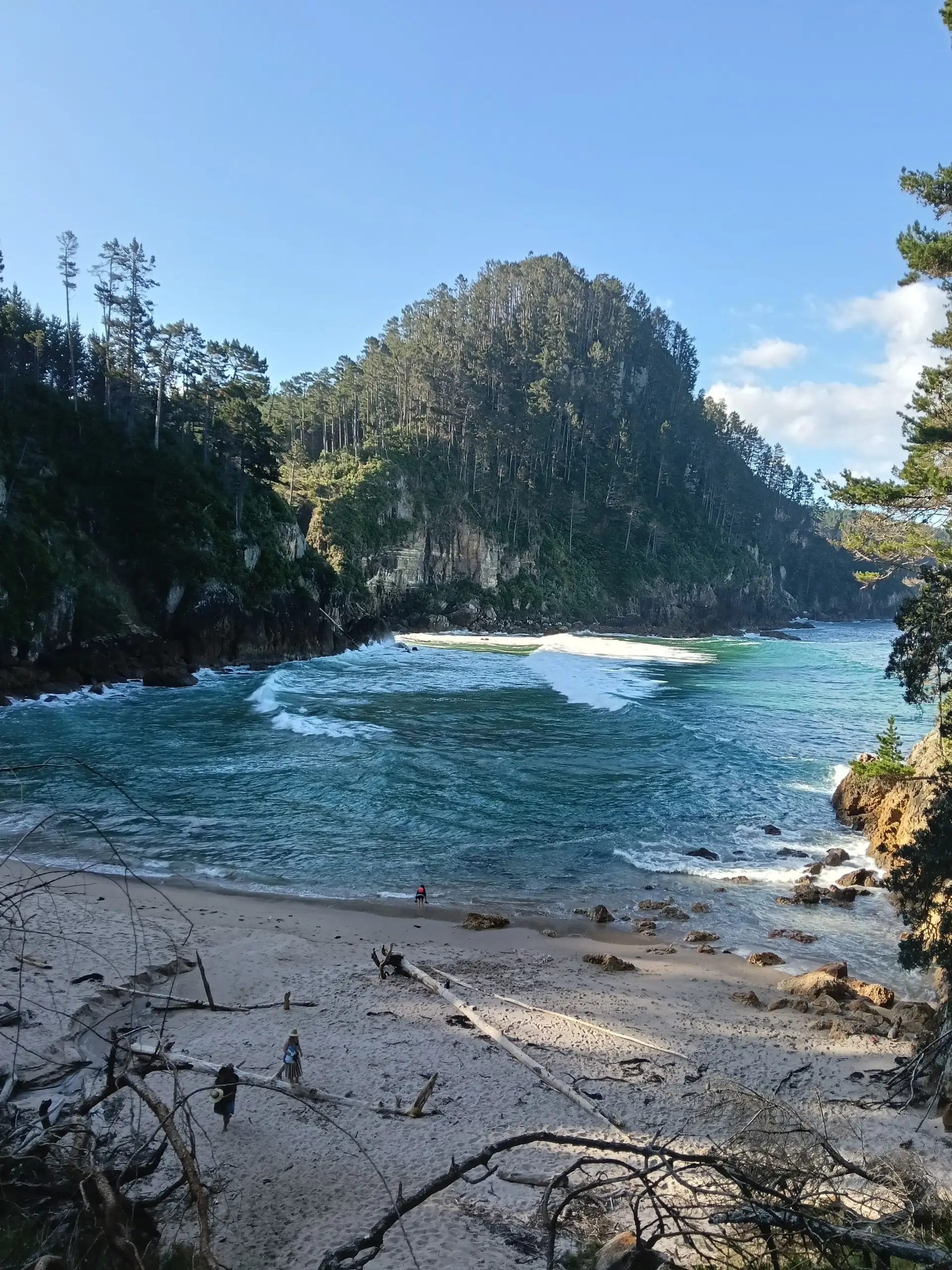
- Epic beaches: The area has plenty of beaches worth exploring and enjoying, always with caution. Among them I recommend Pokohino Beach (a hidden gem), Cathedral Cove and Hot Water Beach.
6. Where to stay, nearby towns
- Coromandel Town: It’s the historic heart. If you want to understand the mining past we’ve been talking about, this is your place. It’s a small, relaxed town with artists’ studios and 19th-century-style wooden architecture.
- Whitianga: It sits on Mercury Bay and is a great base for visiting famous beaches like Cathedral Cove or Hot Water Beach.
- Whangamata: This was our choice. We got to know it as a laid-back town where a dear local friend of ours used to come on vacation with her family during New Zealand summers. The town is beautiful, and the beach has incredible sunsets too.
Support our project & travel smarter


You might also like
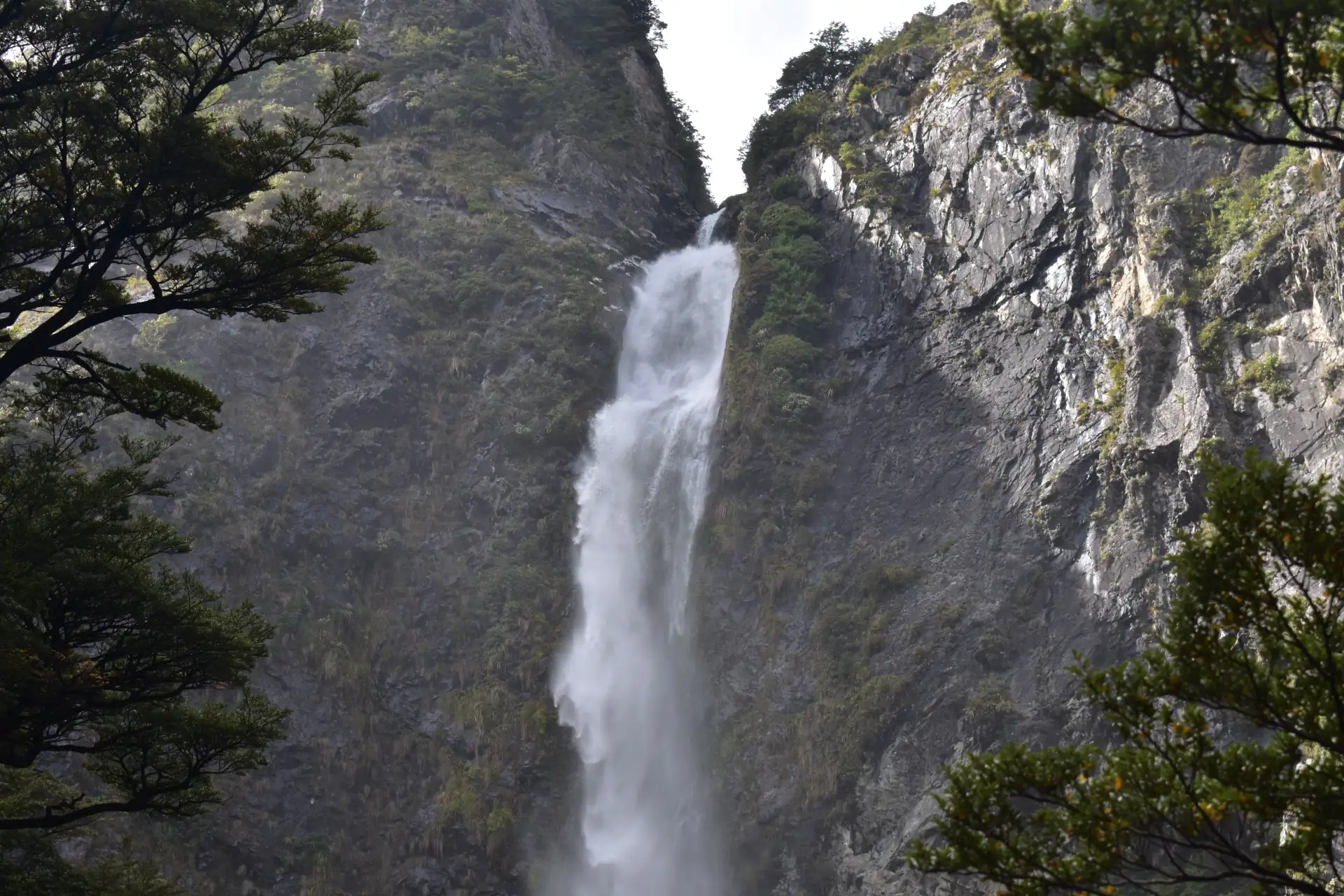
Discovering Arthur's Pass and Kura Tāwhiti National Park in the heart of South Island, New Zealand
Buying a Campervan or Car in New Zealand: The Complete Step-by-Step Guide

First Days in New Zealand: North Island Route and 3 Must-Visit East Coast Spots
