Living in Christchurch with a Working Holiday 2026: Costs, Work, and Real Guide
En este artículo
- My Real Experience: Living in Christchurch as a Working Holiday
- 1. Nature and Social Life: The Perfect Balance
- 2. Social Life and Ally Apps
- 3. Earthquakes in Christchurch: Is it safe to live in the city currently?
- 4. Cost of living in Christchurch: Rent and food
- Weekly Estimated Expenses Summary (2026)
- 5. Saving Capacity: Can You Save?
- 6. How to find a place to live, initial accommodation and work in New Zealand?
- Accommodation for the first few weeks upon arrival
- To find a definitive shared apartment (flat):
- To find a job:
- Is it worth choosing Christchurch for your Working Holiday?
- Frequently Asked Questions about Living in Christchurch
- How much do you earn in New Zealand? (Minimum salary and qualified jobs)
- How much money is recommended to bring to get to Christchurch?
- Is a compulsory car necessary for living in Christchurch?
- You might also be interested in:
Here is the translation:
In this article, I share my experience living 6 months in Christchurch in 2026. It’s been a while since I’ve started getting messages from random people asking me about my experience Working Holiday New Zealand in 2026. The main questions were: how is New Zealand in 2026, what do you need to get a job, which are the best cities to live in New Zealand as a Working Holiday and others, so I did what I love most: write to share my experience with those who will benefit. Cheers.
My Real Experience: Living in Christchurch as a Working Holiday
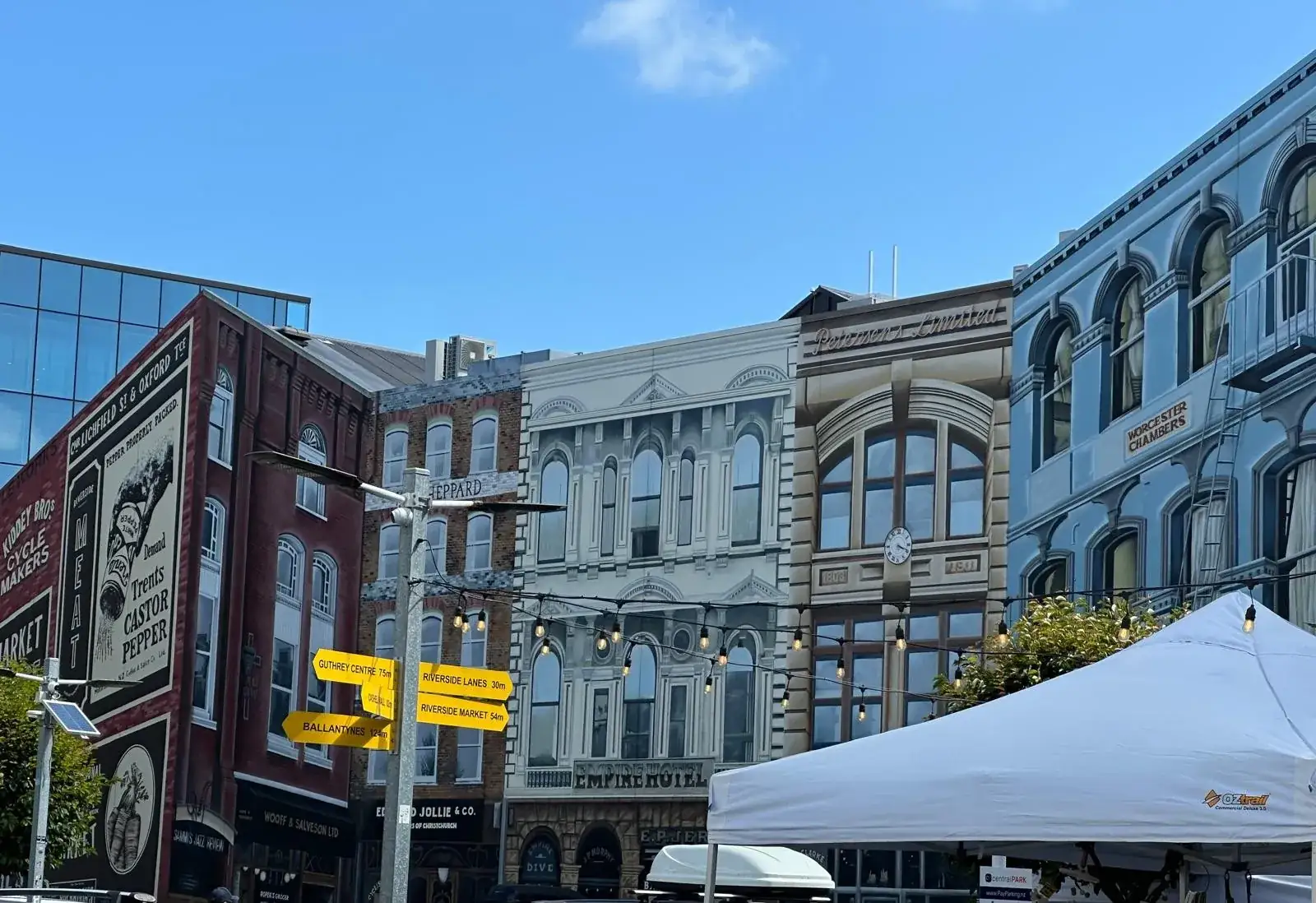
The truth is that I’m not a big fan of cities, but this experience was given after traveling along the East Coast of South Island and comparing different cities; if you’re interested in valuing options on where to reside, I invite you to read Where to live in South Island, New Zealand? City comparison. After applying for various jobs on the way, we rested at a beautiful free camping with no day restrictions at Lake Side Domain, which we found through the app CamperMate, the best friend of the traveler in campervan. The city of Christchurch awaited me to show off its splendor, its lovely Botanic Garden, social activities and reconstruction process after earthquakes initiated in 2010, making it a modern city with very functional layout.
-empty line-
1. Nature and Social Life: The Perfect Balance
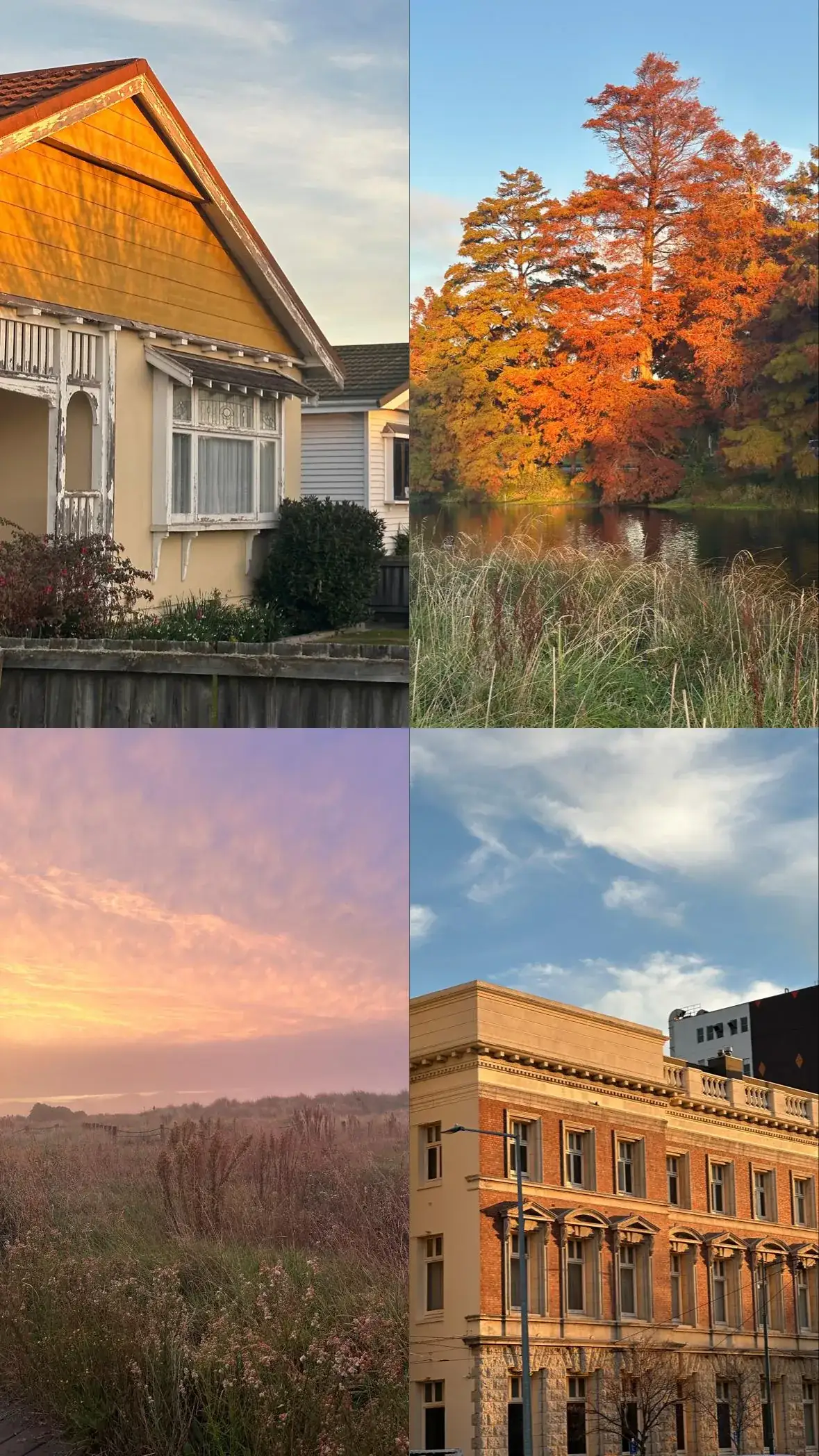
The main advantage of living there is that Christchurch is a true geographical luxury. The Port Hills hills can be seen from the city and their trails for trails are just 20 minutes away, as well as two different beaches within an hour. The imposing Southern Alps, including the incredible Arthur Pass or some ski centers, are only a 2-hour drive away. It’s the perfect balance between urban social life and constant escapes into nature.
 Ciudad de Christchurch: paseos por el centro y Sumner Beach
(Note: The original text was empty, so I just translated it accordingly)
2. Social Life and Ally Apps
If you’re wondering how to meet people or what to do in Christchurch, I’ve got good news: there are many people using apps like Nomad Table or Bumble BFF to connect with others. The city offers a wide range of social activities, markets, sports, language meetups, interesting classes, culinary experiences, mini golf games, skating rinks, and cinema. On this occasion, I shared afternoon climbing (rock climbing) sessions with new friends and acquaintances, live music bars at night, and a beautiful jewelry workshop with local people, as well as visiting some local markets and of course many hikings.
- You can see more activities in Christchurch and surroundings by clicking here [https://www.getyourguide.com/en-us/christchurch-l945/?adults=1&searchSource=8].
3. Earthquakes in Christchurch: Is it safe to live in the city currently?
Christchurch is located in an area of seismic activity (triggered by tectonic plate faults), but not direct volcanic activity.
Although the nearby Banks Peninsula (which is very beautiful, by the way) has an extinct volcanic origin, it’s a fact that anywhere in New Zealand there’s a risk of seismic activity and this city has its historical precedents.
However, the positive aspect is that the country is extremely proactive and has standardized safety procedures.
Additionally, the GeoNet app on your phone informs you instantly about any ground movement, which helps to keep calm. The information on the subject is very clear and the signage is prepared for these incidents throughout the country. On the other hand, it’s always crucial to know in advance official information on what to do in case of an earthquake or alert.
4. Cost of living in Christchurch: Rent and food
- Food: The cost of living is accessible. Eating out isn’t that cheap (around $20 to $40 NZD per plate) but there’s a very good offer of fruits and vegetables from local New Zealand producers. Food quality and flavor are excellent. My experience was working in an organic supermarket and I got the chance to try locally grown, chemical-free veggies; conclusion: very good Kiwi food.
- Accommodation and Transportation: Housing access is reasonable and there’s a great variety of areas to choose from. Additionally, urban infrastructure has a good bike path network and efficient public transport, streets are in good condition, and morning traffic isn’t impossible.
Weekly Estimated Expenses Summary (2026)
| Concept/Category | Weekly Cost NZD | Approx. Cost USD | Approx. Cost EUR | Observations/Advice |
|---|---|---|---|---|
| Flat Rental | $180 - $240 NZD | $110 - $146 USD | $100 - $133 EUR | Average price per week for sharing a house (flatshare) |
| Groceries/Food | $80 - $120 NZD | $48 - $73 USD | $44 - $66 EUR | Buying at local supermarkets like Pak’nSave |
| Public Transportation (Bus/Metrocard) | $20 - $30 NZD | $12 - $18 USD | $11 - $17 EUR | Fare with Metrocard ($3 NZD/trip with weekly cap of 10 trips) |
| Gym (CityFitness) | $8 - $16 NZD | $5 - $10 USD | $4,50 - $9 EUR | Standard weekly fee ($7.99 Basic plan / $14.99 Black Card) |
| Cell Phone/Data Mobiles | $8 - $12 NZD | $5 - $7 USD | $4,50 - $6,50 EUR | Monthly prepaid plans with local operators (One NZ / Spark) |
| Local Leisure and Outings | $40 - $70 NZD | $24 - $42 USD | $22 - $38 EUR | Specialty coffee shops, social activities, and outings |
5. Saving Capacity: Can You Save?
Earning the minimum wage (which is currently $23.95 NZD per hour in 2026) allows you to perfectly cover your daily expenses and save on top of that. Living a “normal and quiet” life, i.e., cooking at home, sharing rent costs, and treating yourself to go out or do activities on weekends, it’s possible to maintain a savings capacity of around $100 to $150 NZD per week.
(Note: No translation needed as the input is empty)
6. How to find a place to live, initial accommodation and work in New Zealand?
Accommodation for the first few weeks upon arrival
Upon landing in Christchurch with the Working Holiday Visa, it’s ideal to book between 3 and 7 days of temporary accommodation (hostel) in the city center or near the airport. It’s the necessary time to open a New Zealand bank account, obtain an IRD number (tax number), and conduct in-person visits to apartments or flats.
- Haka House Christchurch: Located in front of the Arts Centre and just steps away from the Botanic Garden. Very clean, modern, and excellent atmosphere for meeting other new arrivals.
- Urbanz Hostel: In the heart of the city (CBD). It has a bar, large community kitchen, and is one of the most popular options for making professional contacts.
- LyLo Christchurch Airport: Less than 10 minutes’ walk from the airport terminal. Ideal if your flight lands at night or very early morning.
To find a definitive shared apartment (flat):
The two tools that worked best for me were Trade Me (in the Flatmates wanted section) to compare prices organized, and mainly Facebook groups (like Christchurch Flatmates) where the treatment is direct and fast. People post offers every day and if you make a publication with your needs, proposals pour in for shared rooms.
To find a job:
Used Seek (local-style CV and active alerts), another option is Trade Me Jobs (a diverse and local job search) and Backpackerboard, which is quite focused on temporary work. For an overview of the horticulture job market, I used and recommend the official website of pick.nz.
 Christchurch Central
Is it worth choosing Christchurch for your Working Holiday?
Working in Christchurch makes it totally viable to live in the city and have a “normal and interesting” life for those who like urban dynamics, varied activities, working, and eventually having escapes to the mountains, doing trekking or enjoying skiing in winter. To be honest, I’m happy with my decision to reside in this city and get to know the local lifestyle, calm and busy during the week with beautiful outings on weekends. An interesting and harmonious balance for the Working Holiday experience.
Thanks for reading, these articles aim to provide clarity to other travelers so if it helped you share it so it can reach more people, you can also make a symbolic collaboration by clicking the button on the left so we can keep supporting this blog, big hug Lore and Santi.
(Note: The original text was empty, so I translated it accordingly)
Frequently Asked Questions about Living in Christchurch
How much do you earn in New Zealand? (Minimum salary and qualified jobs)
In 2026, the minimum hourly wage is $23.95 NZD (gross). In a 40-hour weekly workweek, the gross pay rounds to $958 NZD, which translates to $780-$800 NZD clean (take-home) after PAYE and basic government taxes. If you have prior experience or access to qualified or technical jobs (such as specialized construction, carpentry, food service supervision, office roles or IT), hourly rates tend to fluctuate between $28 and $45+ NZD per hour, significantly increasing the weekly savings margin.
How much money is recommended to bring to get to Christchurch?
The recommended approach is to enter with a reserve fund of at least $1.500 to $2.000 NZD to cover the first 2 or 3 weeks of temporary accommodation, the security deposit (bond) for your room and food while you complete formalities (IRD number, bank account) and look for work.
Is a compulsory car necessary for living in Christchurch?
It’s not strictly necessary to have one from the first day within the city, as Christchurch is flat, has bike paths and an efficient bus network (Metro). However, having a car or campervan greatly facilitates transportation, optimizes time, and allows you to plan getaways to the mountains (Arthur’s Pass) and beach weekends (which you can also plan with other travelers).