What is Aotearoa? What is Aotearoa? Maori history and culture in New Zealand
En este artículo
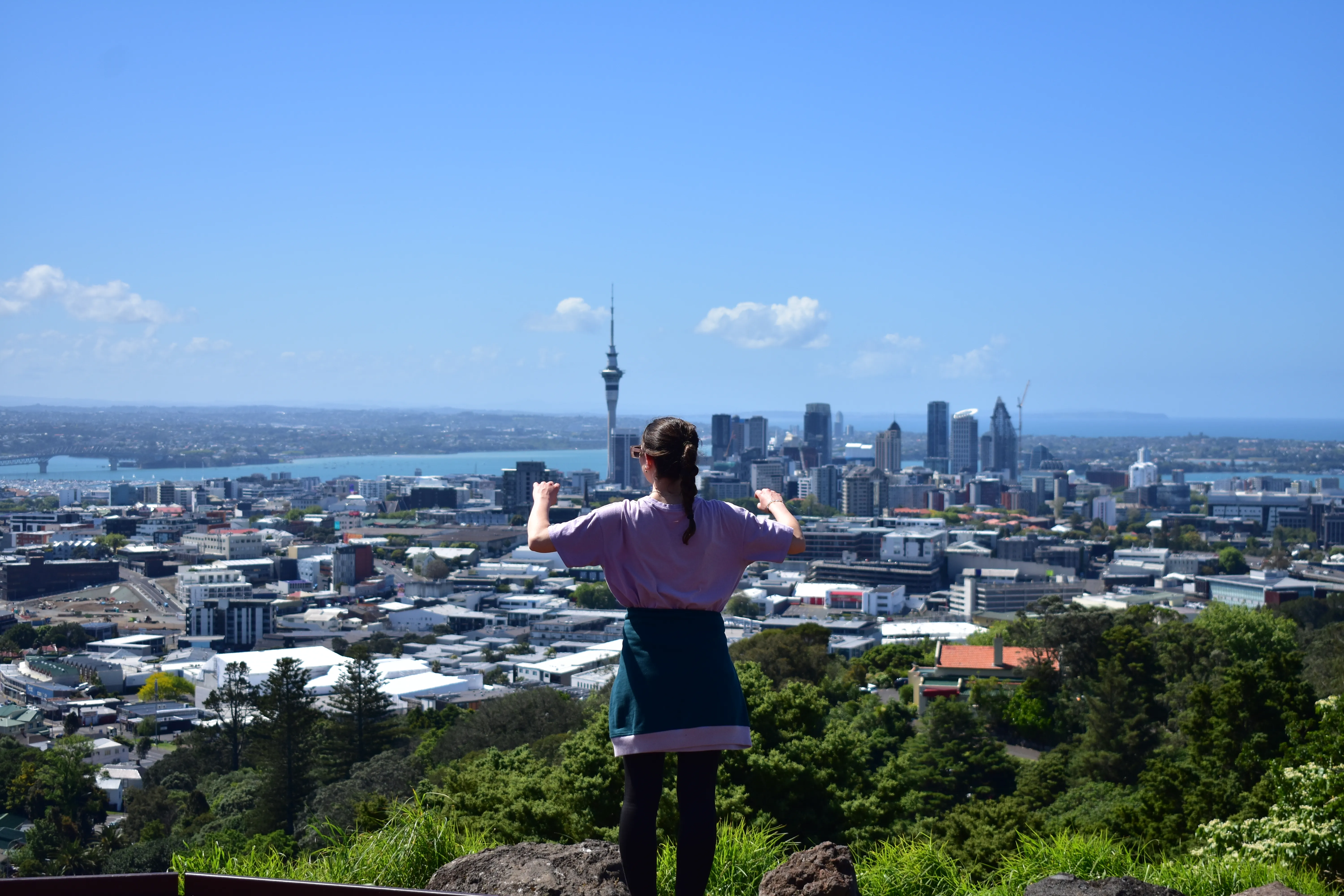
New Zealand is perhaps the last breath of mainland earth to be discovered by modern life. Suspended in the vastness of the South Pacific, Aotearoa —the land of the long white cloud— is not just a destination, but a territory with geography as imposing as it appears in the Lord of the Rings movie. On these Islands, identity has been forged between volcanoes and marine winds creating a varied and unique landscape. Those who inhabit this land call themselves kiwis, characterized by their way of living life with silent amiability and a calm rhythm. Enjoyment lies in simple things: a weekend in the mountains, bike rides or a roadtrip to explore new areas of the island.
In the midst of Oceania, multiple cultures such as English, Maori, and citizens from various parts of the world, primarily from Southeast Asia, Fiji Islands, Tonga, Samoa, and India, are discussing today. This unique identity is born on this territory, which was only populated around 700 or 800 years ago. It was this geographical retreat that allowed its ecosystem to evolve independently and uniquely until the arrival of its first inhabitants.
The Whisper of Navigators
The first settlers of this island were the Polynesian ancestors who not only crossed the Pacific but also dialogued with it. Around 1200 AD, guided by stars and bird flight, the Maoris arrived at these shores. Although they are known as “Pacific nomads”, by the 14th century they began to settle definitively, giving identity to the territory from their own perspective.
For them, the earth (Papatūānuku) and the sea (Tangaroa) are part of a whole, of a single origin. They see nature as their own ancestors and themselves as Kaitiaki (guardians), assuming the responsibility of protecting the balance and vital force of the environment for future generations.
The Spirit in Wood
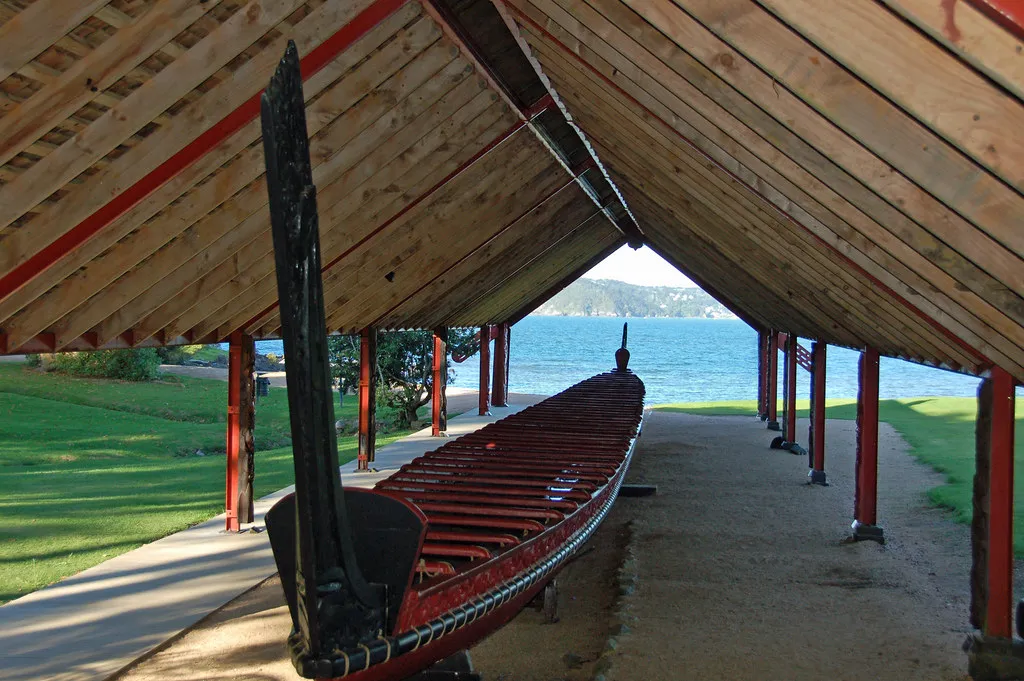
A tangible example of this was what we learned at the Auckland War Memorial Museum (Tāmaki Paenga Hira), where we discovered that the process of creating canoes (Waka) was much more than just building a mode of transportation; it involved a ritual of respect. To summarize:
- The connection with Tāne Mahuta: Giant trees like Kauri are children of the God of the Forest. They weren’t cut down for “resource”, but permission was sought through prayers and rituals (Karakia).
- Listening to the tree: The Tohunga (expert master) selected the trunk based on its spiritual strength. It was believed that the tree had to be “prepared” to become a canoe to protect its crew.
- The end of Tapu: After knocking it down, rituals were performed to remove the sacred state (Tapu) and allow working with the wood without offending the gods.
The Threads of History
Centuries later, that sacred gaze over the territory found its counterpart. The British arrival transformed the island’s structure through formal processes and territorial tensions:
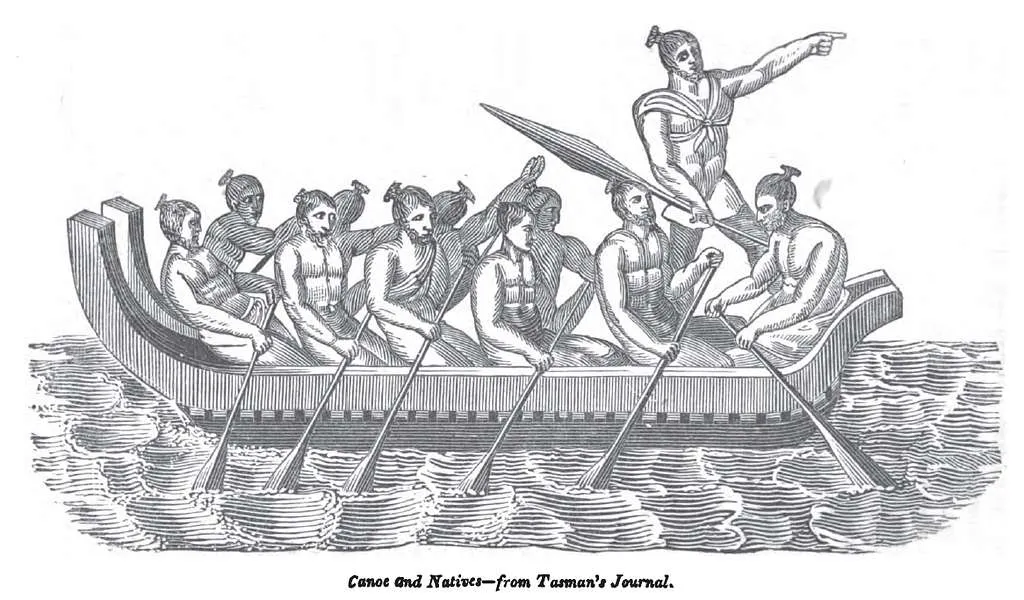
- 1642: First contact with Dutchman Abel Tasman; an encounter that ended in conflict and withdrawal
- 1769: James Cook arrives and charts the islands, marking the start of real British interest.
- 1800-1840: Informal colonization period driven by whalers’ commerce, missionaries’, timber extraction, and arms trade, which generated a social chaos that accelerated the Crown’s intervention.
- 1840: Signing of the Waitangi Treaty.
This still valid treaty is an agreement between the British Crown and Maori chiefs. In theory, the Crown obtained the right to govern (Kawanatanga) in exchange for guaranteeing Maoris total authority over their lands and treasures (Tino Rangatiratanga). Today, the New Zealand Government acts as the heir to those promises made by the Crown, responsible for managing coexistence under these principles; although it’s worth noting that differences in translation between English and Maori texts continue to be a source of legal and social debate.
A story that keeps being built
In museums like Rotorua or Christchurch, records of how European extraction logic collided with Maori belonging can be seen. Where one saw an ancestor, the other saw wood to export, leaving scars in the ecosystem that are still denounced today, as we saw in Christchurch with current criticisms about soil and water contamination.
In museums like those in Rotorua or Christchurch, you can see records of how European extraction logic clashed with Maori belonging. Where one saw an ancestor, the other saw wood to export. In these museums, the critical documentation shows how intervention logic transformed and is still transforming the ecosystem. Alongside current denunciations about river and forest contamination by the agricultural industry.
Despite these challenges, this country provides an example of conservation and protection of ecosystems that makes it an international benchmark. For instance, by creating contemporary laws that grant legal personality to parks and rivers, recognizing them as living beings.
This search for dialogue between ancestral belonging and constantly moving modern needs is what defines the identity of Aotearoa today.
You may also be interested in reading
- North Island New Zealand Route: Itinerary and First Steps.
- The Story of Coromandel, a Beautiful Peninsula in the North Island: From Extraction to Conservation
- Exploring Arthur’s Pass National Park and Kura Tāwhiti in South Island New Zealand
- Living with a Working Holiday Visa in Christchurch, New Zealand City