Discovering Arthur's Pass and Kura Tāwhiti National Park in the heart of South Island, New Zealand
En este artículo
A December afternoon, a month after arriving in New Zealand, sipping mates and chatting with Lucy, a Kiwi friend, at the feet of Mount Maunganui, we decided to ask her, prior to our adventure south, which place in New Zealand she thought we couldn’t miss. The response was resounding: “Arthur’s Pass”, a trekking route with alpine forest and dry tundra landscapes. From that moment on, we decided we had to add it to our itinerary without fail, and although it took its time, we discovered it was only two hours from Christchurch. A fantastic route featuring a spectacular DOC campsite, a space suitable for campervans with a 360° view of the mountain.
Here is the translation:
That’s how we spent a weekend setting up our camp and hitting the road west of Christchurch, into the heart of South Island. Apparently, this route was discovered by Maoris who transported jade from the east coast to the west; later on, it would be used by English during the gold rush era. Today it has become State Highway 73, a route tracing the union of two plates still active, tempting to explore South Island from east to west, resting at its campgrounds.
History of Arthur’s Pass: From Maori to Gold Rush Fever
This step was historically crucial for the Maoris in their commercial routes of pounamu (jade), and subsequently for European settlers during the gold rush era, transforming into the vital route we know today as State Highway 73.
Ecosystem and Nature in Arthur’s Pass
Arthur’s Pass National Park is a true gem of New Zealand’s wilderness. The landscape here is dominated by the Southern Alps, with towering mountains, valleys, and rivers creating a unique and diverse ecosystem. The park is home to a wide variety of flora and fauna, including many endemic species found nowhere else in the world.
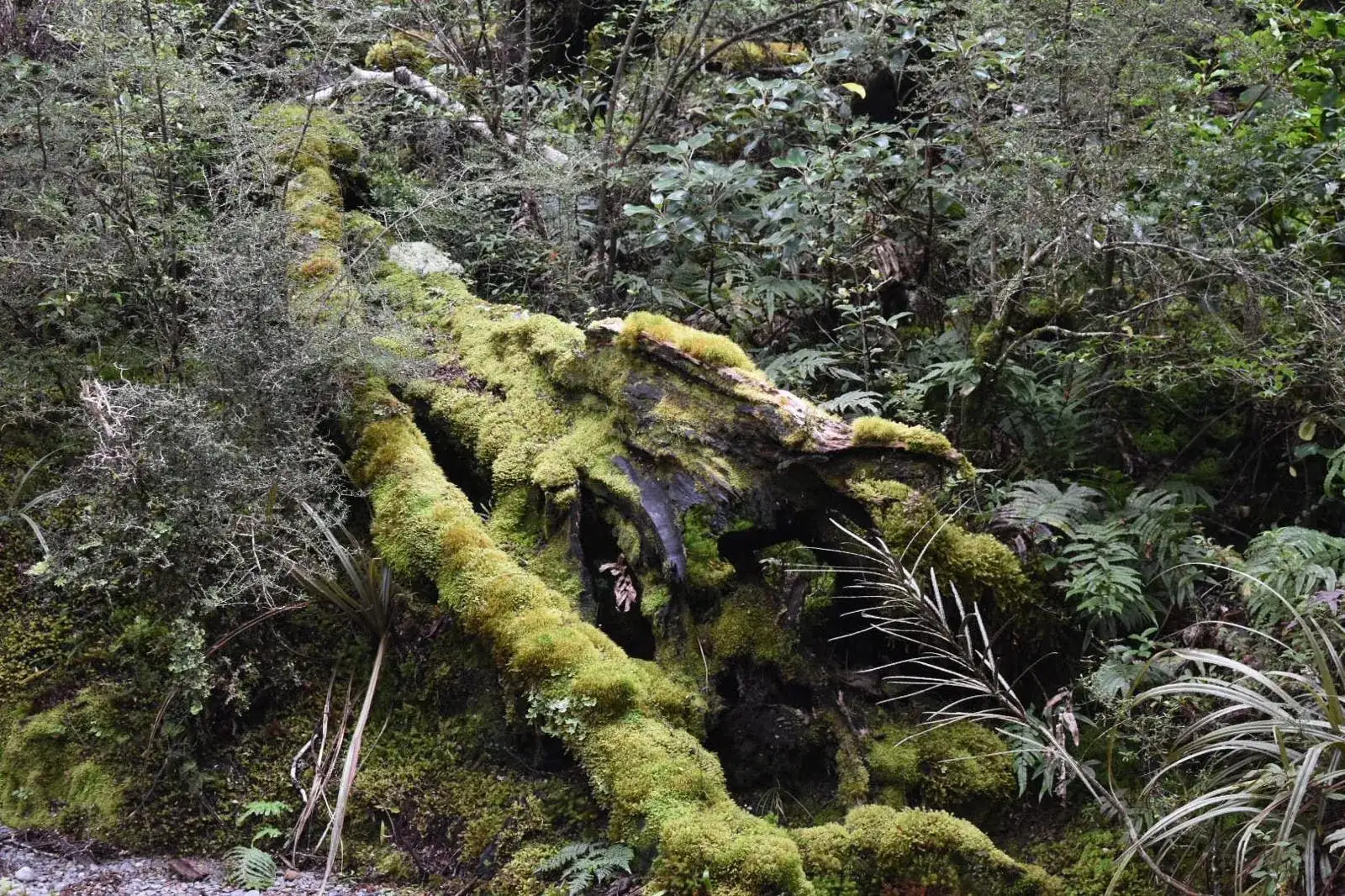
The beech forests are a highlight of Arthur’s Pass, with trees that can live for hundreds of years providing shelter for a multitude of animals. Kea parrots, native to New Zealand, are commonly seen here, and it is not uncommon to spot them rummaging through trash cans or even stealing hats from unsuspecting tourists.
In the rivers and streams, you can find trout and other fish species, as well as eels, which migrate upriver to spawn. The park is also a haven for birds, with over 40 different species documented, including the endangered kiwi.
Arthur’s Pass is an important habitat for many of New Zealand’s unique and endemic species, making it a must-visit destination for nature lovers and wildlife enthusiasts. Whether you’re hiking through the forests, climbing mountains, or simply taking in the stunning scenery, Arthur’s Pass is sure to leave you in awe of its natural beauty.
According to what we researched, the ecosystem is divided into different zones with distinct landscapes; this is more noticeable near summer, when vegetation is more active:
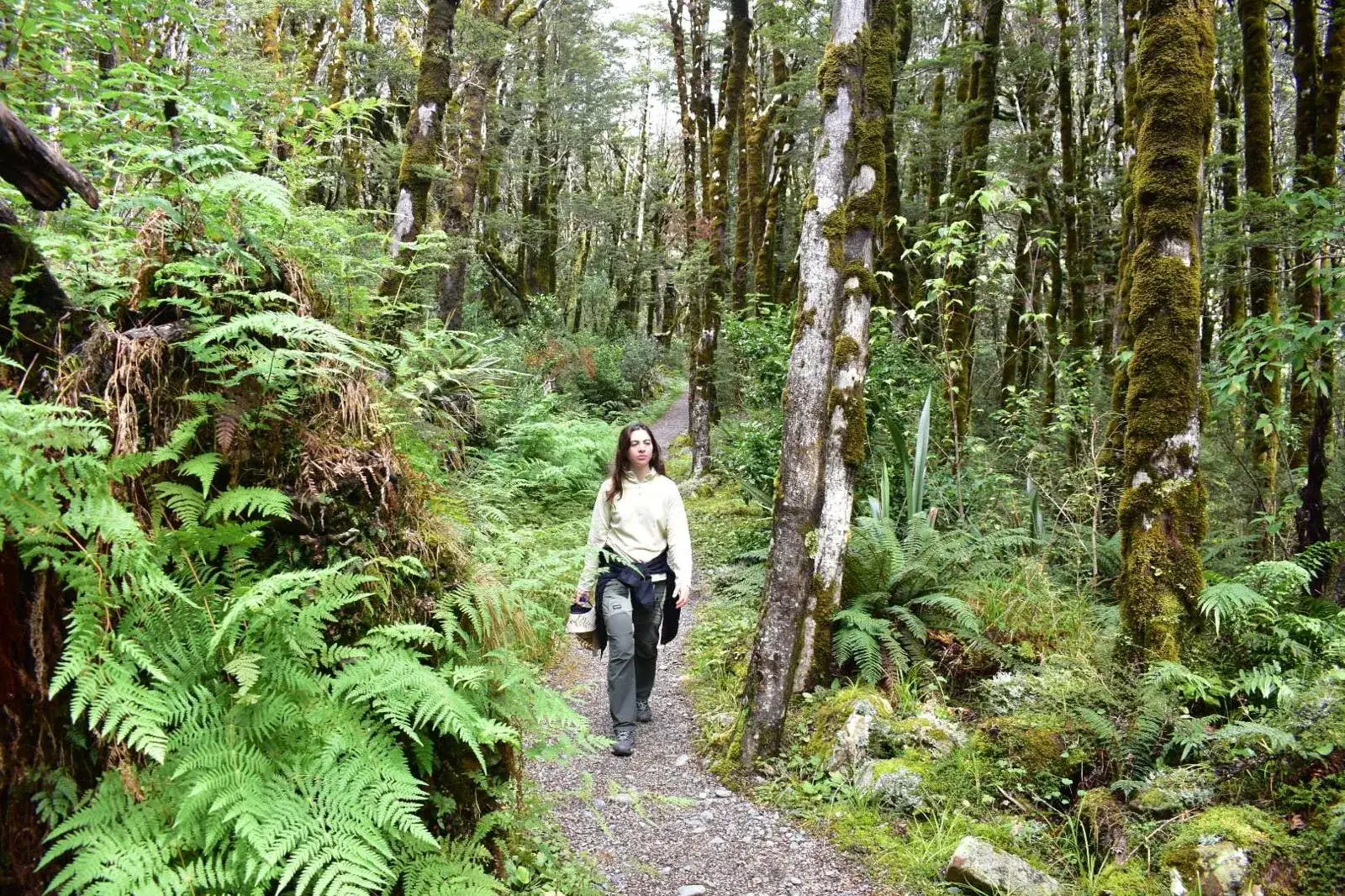
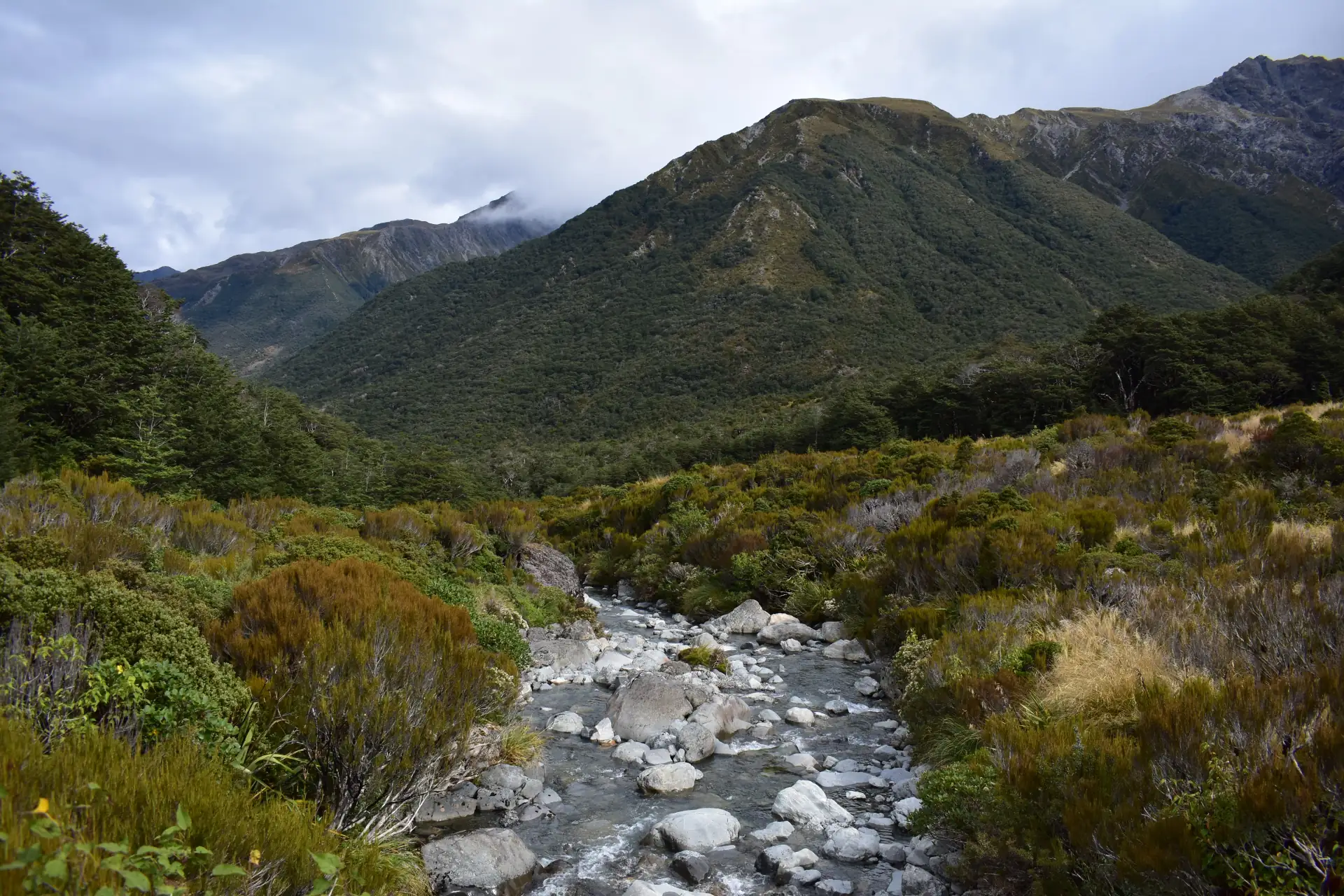
- Canterbury Haywood Forest (East Side): On the slopes that face Christchurch, the climate is drier. The dominant ecosystem is Mountain Beech forest. It’s a more open forest with less undergrowth and a more ordered appearance.
Hiking Trail Guide and Trekking in Arthur’s Pass
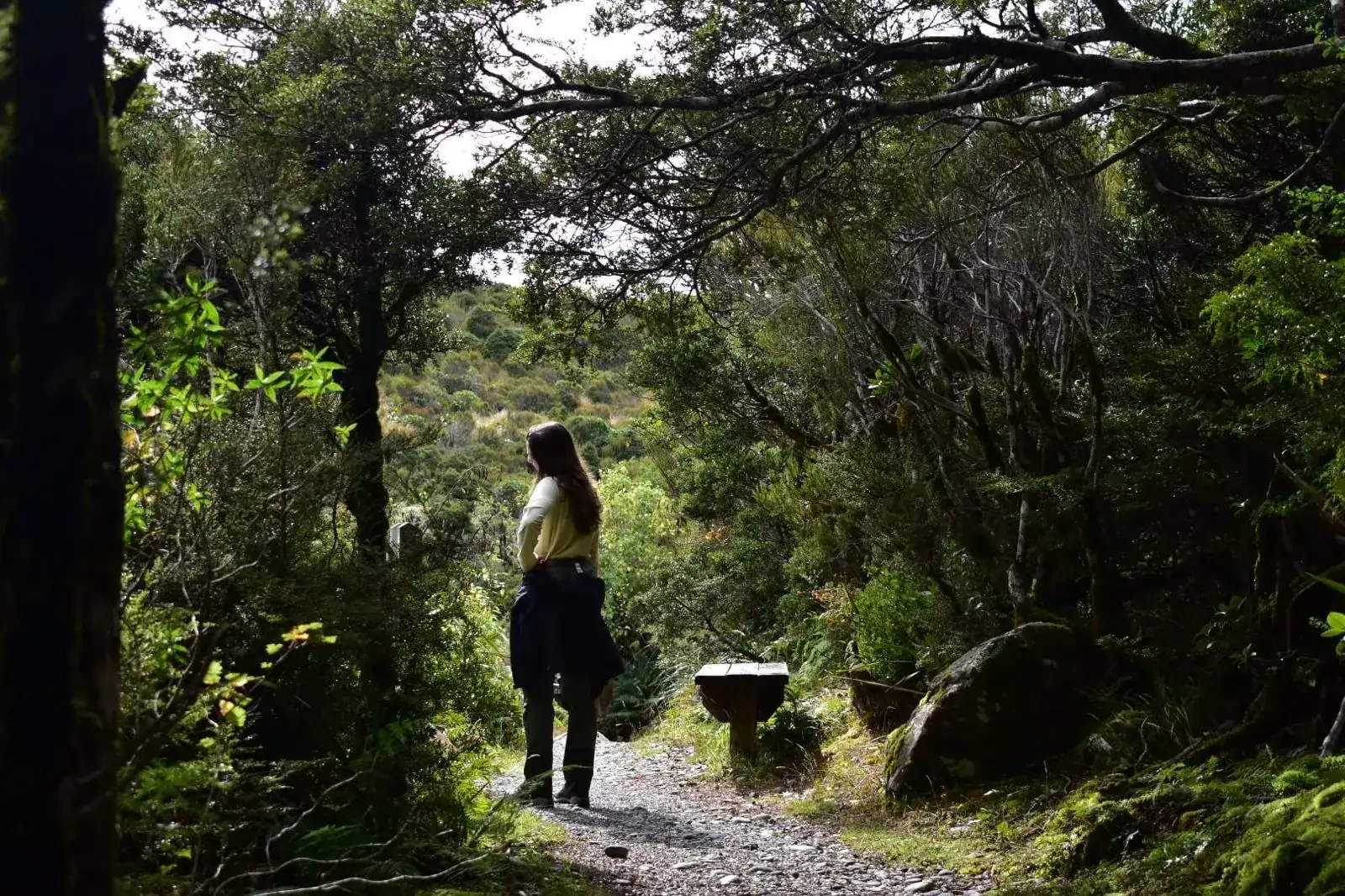
Despite being at an elevation of 920 meters and feeling the cold mountain air, the routes are not particularly steep, and they offer different variables in terms of duration and complexity. The condition of the trails, stairways, and signage allow it to be a more accessible stroll for everyone. There are multiple entry points since the circuit is not a loop; therefore, some people went doing segments, leaving their vehicles at the various parking lots.
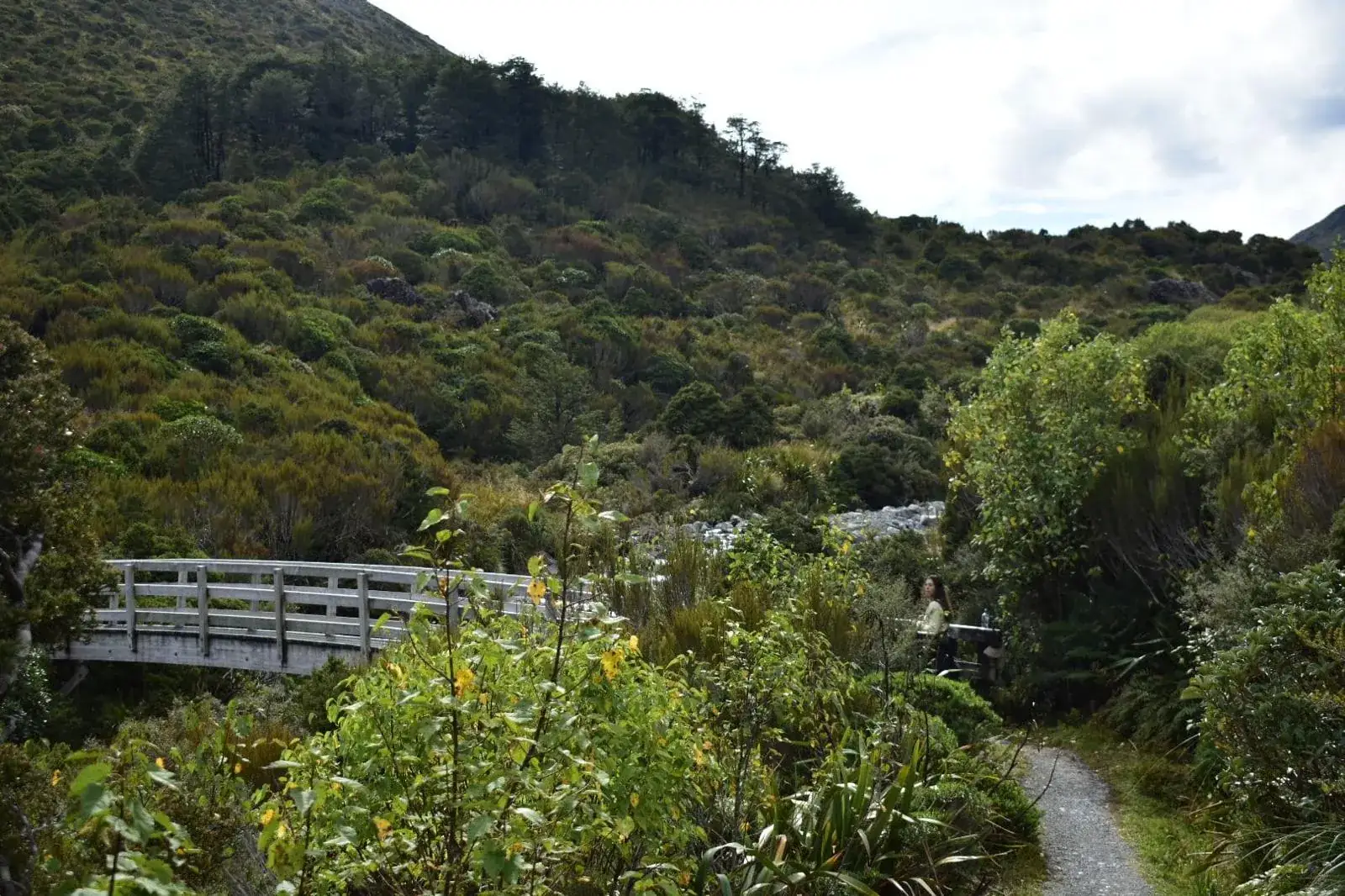
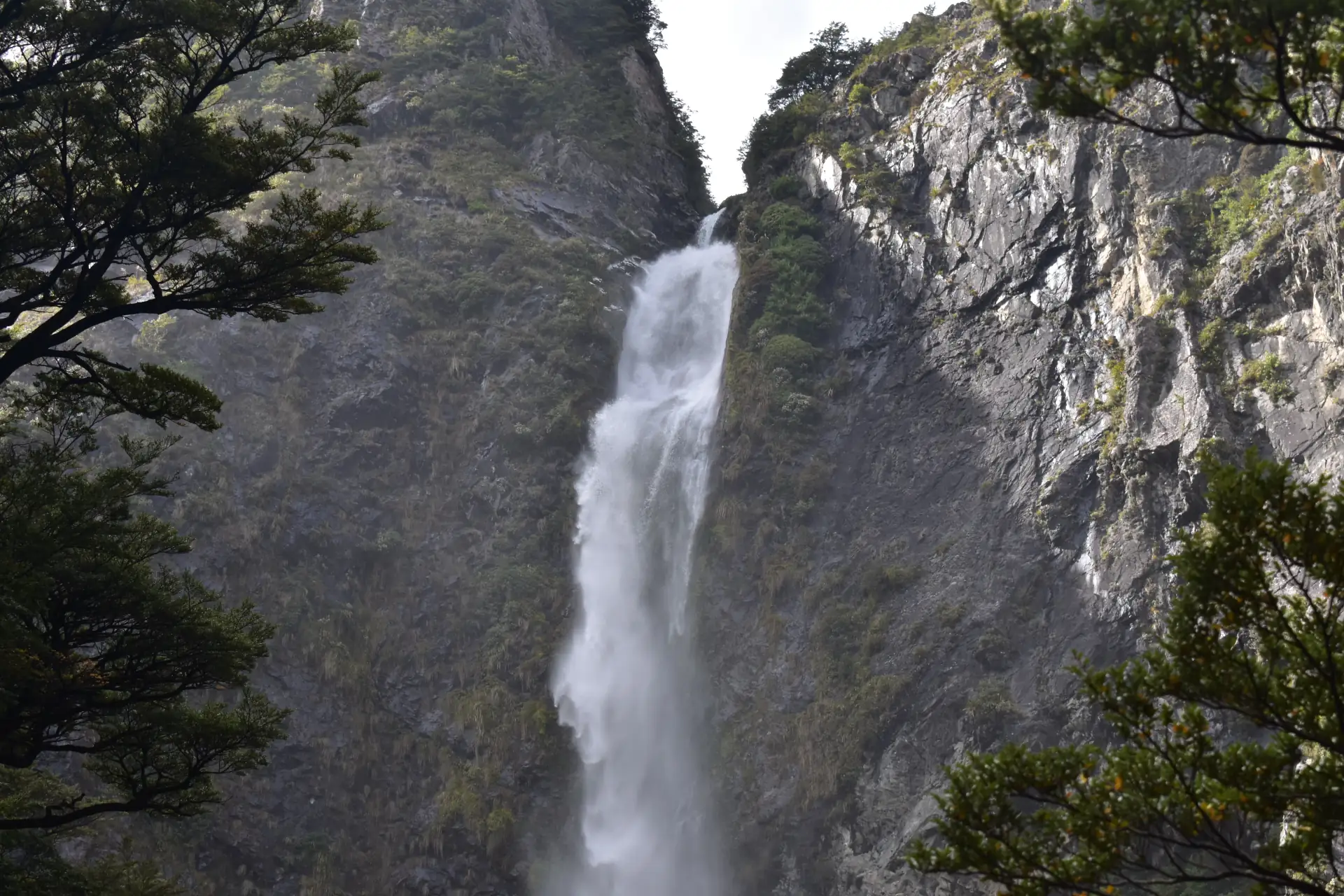
The total duration of the trails is very variable: you can find short walks of 30 minutes or day-long treks (between 4 to 6 hours), but in each trail there is a clear signage and reference to the length and duration of the same. Some recommended trails are the Devil’s Punchbowl Track (ideal for a short walk to the waterfall), the Bealey Spur Track (with incredible panoramic views) and the Avalanche Peak (for those seeking a greater challenge). In any case, the total duration of the trail is approximately 4 to 6 hours depending on the chosen route. I also recommend checking the exact weather in the area as it’s a cool mountain climate (with the corresponding unpredictable changes that implies).
Hereafter, one last recommendation regarding a short stop and quite impressive route.
Castle Hill: A Natural Spiritual Center of New Zealand
It’s an impressive collection of giant limestone rocks that reach 30 meters in height. It looks like a stone labyrinth, but tells the story that millions of years ago it was under the sea. Over time, the ocean floor rose, creating these unique formations that even the Dalai Lama himself, when he visited them in 2002, dubbed as the “spiritual center of the universe”.
But beyond the anecdote, this is a sacred site for the Māori population, which they call Kura Tāwhiti (“the treasure of a distant land”), and it has “tōpuni status”, a legal and spiritual mantle of protection that reminds us that it’s a place with deep history. Since 2022, the entrance is guarded by three pou whenua (carved pillars) by master Riki Manuel, which honor the ancestors and invite us to journey with respect.
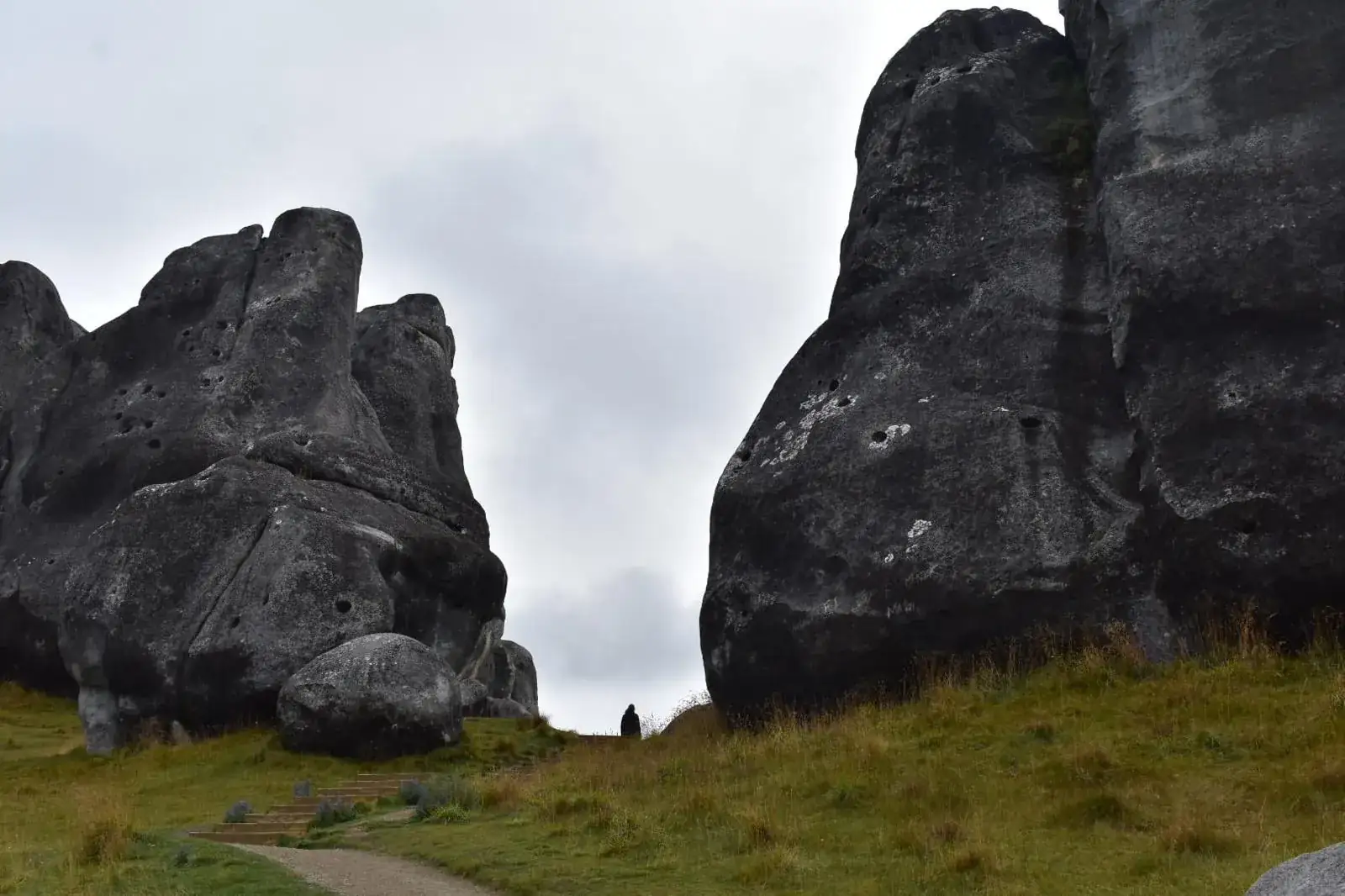
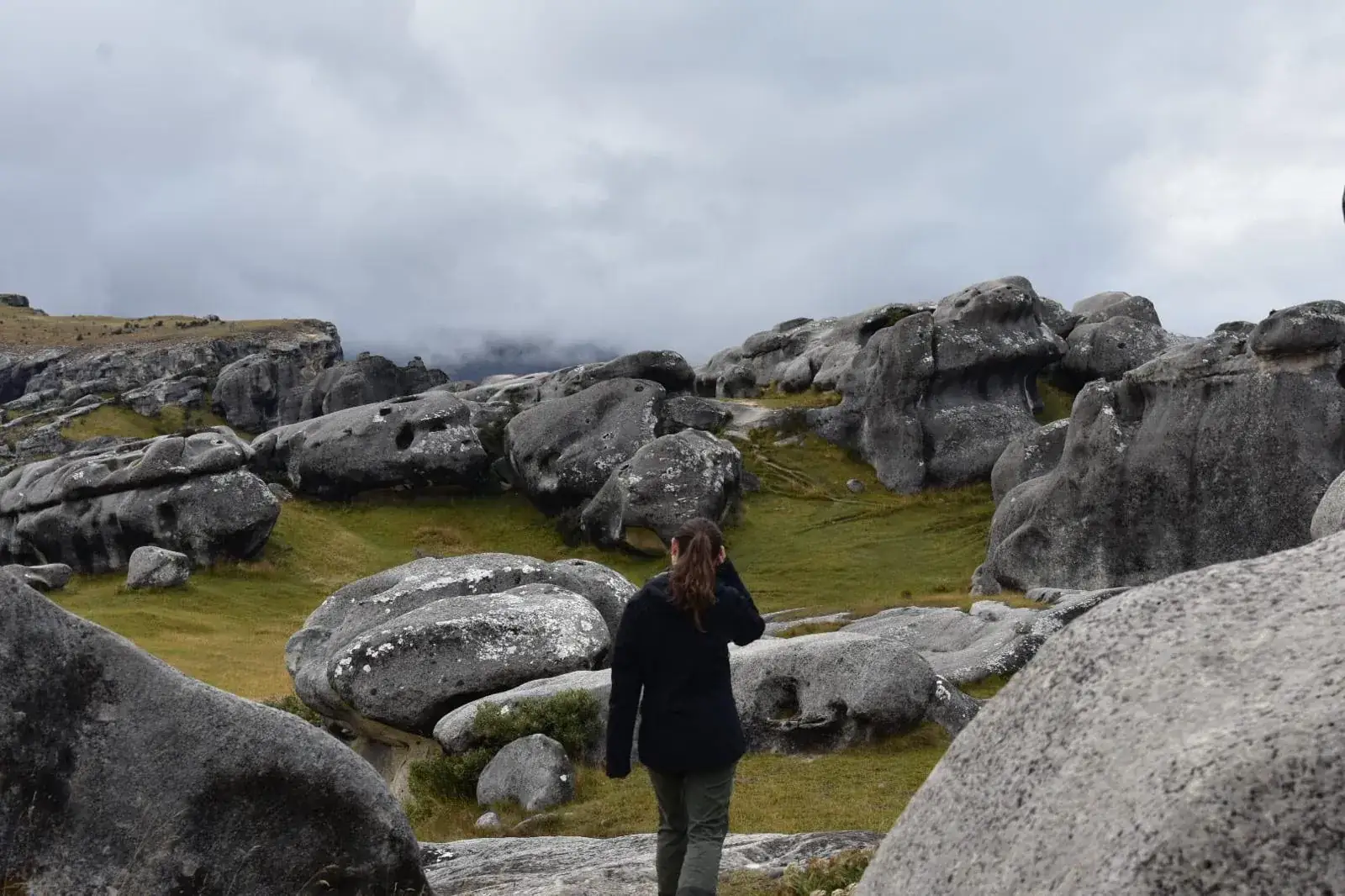
The trail is short and friendly since it doesn’t have large inclines, but it’s important to stay within the marked path for safety and also for the site’s conservation. It’s a protected site by New Zealand’s Department of Conservation (DOC) and you can delve deeper into information on its official website. Castle Hill / Kura Tāwhiti official page
Both the Arthur Pass National Park and Castle Hill struck us as a very beautiful area, with many trails to explore and a history present that speaks about the constitution of the territory as we know it today.