Where to Live on South Island of New Zealand? City Comparison
En este artículo
- Why I Chose Christchurch Over Other Cities in New Zealand: My Great Success Story
- Comparative Cities of South Island New Zealand:
- 1. Living in Queenstown: advantages, costs, and the accommodation problem
- Pros and cons that we observed and other people told us:
- 2. Dunedin: Victorian Architecture and Authentic Local Life
- 3. Working and living in small mountain towns: A alternative to city life
- 4. My Final Decision: Living in Christchurch as a Working Holiday 2026
From the trail to “local life”: a touch of stability during the Working Holiday Visa experience
The good and the bad of traveling today is that we’re flooded with information. There are thousands of people who have already lived through the experience. Personally, I use a lot of YouTube, blogs, and artificial intelligence when planning a trip or getting to know a place that interests me. But in the end, it’s true, it’s revealing itself and adapting according to each story. Cities are many and each one has its pros and cons. In the end, I decided on Christchurch, a city on South Island surrounded by beautiful landscapes, nearby beach hikings, and a united and resilient population that’s rebuilding since the 2010 earthquake.
After a long vacation trip to the South Island, I was ready for an “authentic local experience”. As I explored the eastern coast, I was analyzing cities and testing the job market. If you’re at that stage of choosing a base, in this entry I’ll share my experience and how I decided to stay in Christchurch.
Why I Chose Christchurch Over Other Cities in New Zealand: My Great Success Story
Before wrapping up in Christchurch, I visited and analyzed other options that you’ve probably heard about. Each has its own characteristics, and although I explored both coasts, here’s a brief comparative guide to the major cities on the South Island for living in New Zealand in 2026, East Coast.
If you’re interested in knowing what it’s like to live as a working holiday maker in Christchurch, I invite you to read https://blogcito.com/admin/#/collections/diario/entries/2026-05-30-vivir-como-working-holiday-en-la-ciudad-de-christchurch
Comparative Cities of South Island New Zealand:
- Queenstown
- Dunedin
- Mountain Towns
- Christchurch City
1. Living in Queenstown: advantages, costs, and the accommodation problem
Queenstown is a dreamy city with a vibrant and touristy atmosphere. Surrounded by the majestic Southern Alps and situated on the shores of crystal-clear Lake Wakatipu. The city shines just as much in winter as it does in summer, with its street artists, food stalls, and breathtaking views from the main pedestrian square facing the lake. Street performers, food stalls, and music accompany the stroll along the shore. I also noted people doing slackline and exercising at the entrance plaza, which, in my opinion, added a plus to living: a relaxed and social atmosphere.
The city center is teeming with restaurants and hotels where you can enjoy delicious, varied, and international cuisine. The price of dishes starts at $20 NZD. I discovered authentic Pad Thai and tried an Argentine ice cream shop overlooking the lake; both moments were quite memorable. On the other hand, for those who want to work, the job market is quite extensive in relation to the service sector.
Chatting fact with fellow travelers: It’s very clear that in June there is a trend to move towards ski resorts to work during the winter season, it’s necessary to apply for jobs and book accommodations in advance.
Pros and cons that we observed and other people told us:
- It’s essential to book a place with advance notice: The stay can be an aspect to mediate with intensity for those living in Queenstown and without employment with accommodation. This is mainly due to two aspects, there aren’t many affordable and functional Holiday Parks near by. Other travelers have also told us that it’s necessary to get a room with advance notice because there’s a lot of demand during the winter season and costs tend to be a bit higher.
- Cons: It’s more expensive and quite small, with many inclines on its central streets.
- Pros: It’s very beautiful and has an interesting level of social activity.
- Pro 2: There is direct transportation to Milford Sound, which I consider one of the must-see places in New Zealand.
- It’s considered the world capital of adventure sports and extremes.
Travel tip: if you’re interested in working at a ski resort, keep in mind that although they may open in June, job searches and contracts tend to close in March or April.
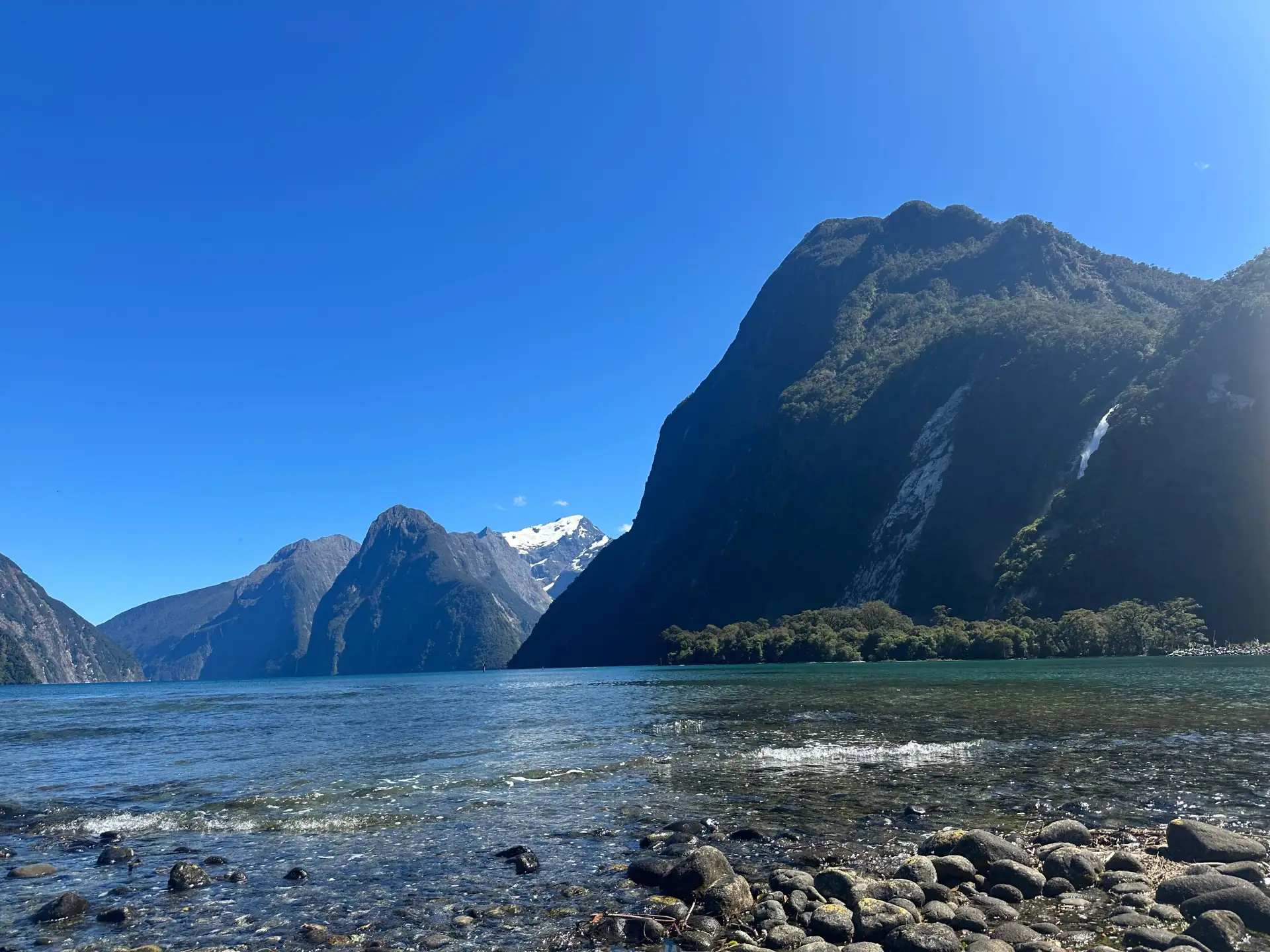 Milford Sound, magico infaltable en el roadtrip por Nueva Zelanda
 2. Dunedin: Victorian Architecture and Authentic Local Life
This city known as “Daniden” has quite a lot of local and authentic charm. The truth is that it started giving us good vibes even before we visited: in Roxburgh, we met a couple from Dunedin who were camping by a beautiful lake. They were cheerful, friendly, and laid-back, talking very well about their city which sparked our curiosity to get to know it.
When visiting it, we discovered its Victorian architecture of dark bricks, specialty coffee shops street art and independent galleries. I understand that it’s a city where people really live their day-to-day lives. Not being as focused on mass tourism, restaurants are more take-away style, focused on the local routine, which makes it a daily option more affordable compared to Queenstown; no doubt an interesting possibility.
3. Working and living in small mountain towns: A alternative to city life
I don’t want to leave out mentioning small towns, villages, and rural areas; other experiences that can be built far from cities. Maybe they’re the kind of experiences that are taking place, but there are many beautiful towns near the detailed cities above where another type of job proposals and accommodation options exist, whether it’s outdoor work or in different areas. The possibilities are quite open for those who dare to dream about living in a mountain town.
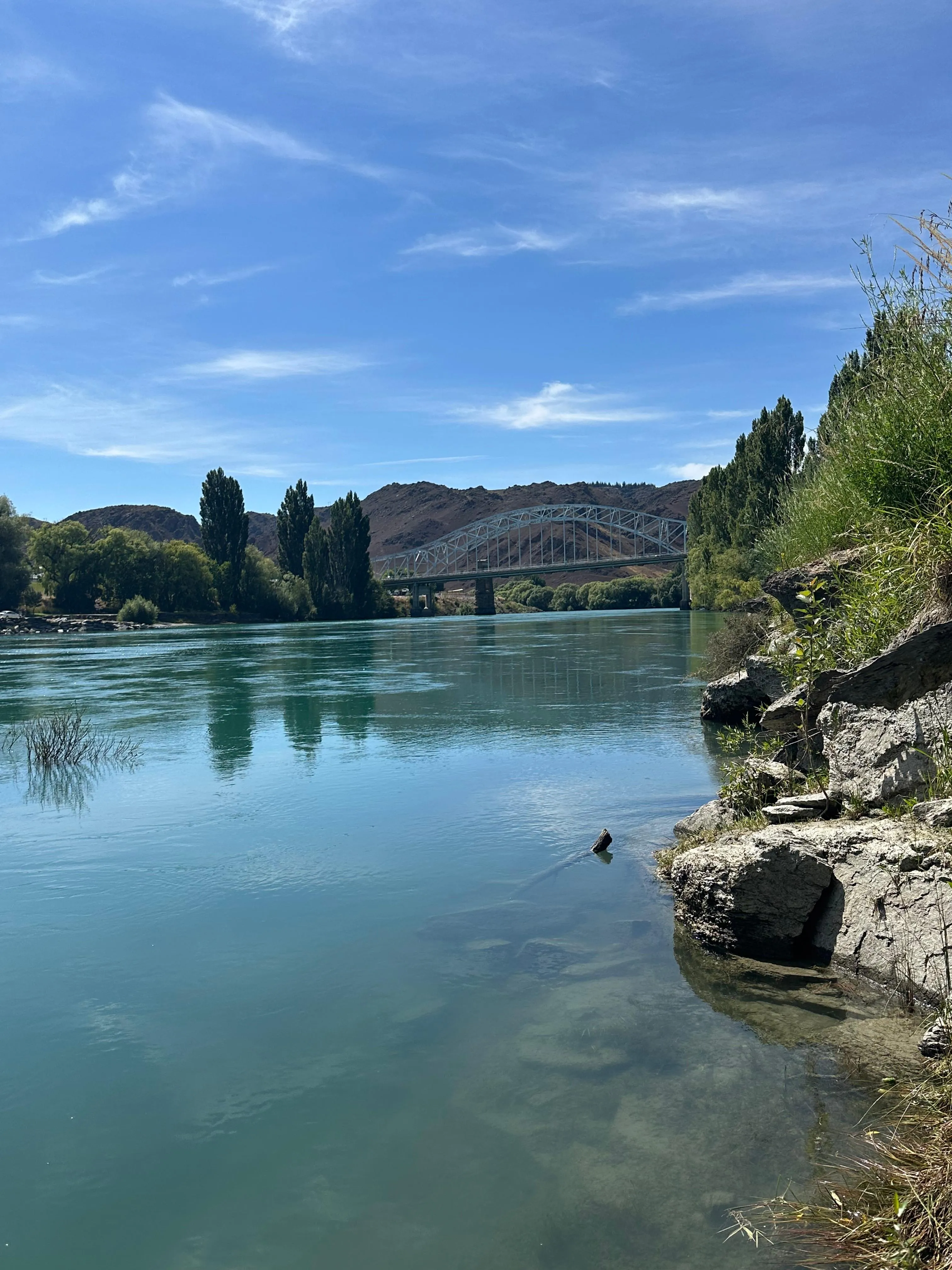 Como la bella Alexandria y su movida temporada de cerezas y arándanos
 4. My Final Decision: Living in Christchurch as a Working Holiday 2026
Christchurch is a city in reconstruction with history, community, and spectacular views. The Port Hills hills can be seen from the city and its trekking trails are just twenty minutes away, as well as two different beaches within a short hour. The impressive Southern Alps and the incredible Arthur Pass (you can delve deeper by reading our article) or some ski resorts are only two hours away by car. From my point of view, this city is the perfect balance between urban social life and constant escapes to nature.
The city is currently in the process of reconstruction after the major earthquake of 2010. Therefore, its infrastructure is modern and the city’s layout is comfortable. It is a city that is currently growing, featuring universities, developing edification, an extensive gastronomic proposal, and an increasing population. My local friend commented that many of his acquaintances are moving to this city in search of new opportunities. From my perspective, although one must focus on job searching and persistence, I believe it’s a big enough city to offer opportunities for everyone.
Advantages: Highlight its modern infrastructure, significant development in the services sector, and wide variety of accommodations available
Disadvantages: it’s an area of high seismic activity, although it’s very organized regarding its safety protocols and you can definitely check with the corresponding apps without a doubt it’s a factor to consider. On the other hand, sometimes the lack of travelers and residents can play against you when looking for work (to be honest, I was lucky and found work in 2 weeks, but I know people who took 2 months speaking perfect English).
If you’re interested in delving deeper into the experience of residing in Christchurch in 2026 with information about how to get housing, apps for earthquake updates, costs and job search in New Zealand I invite you to read the article Living on a Working Holiday in the city of Christchurch
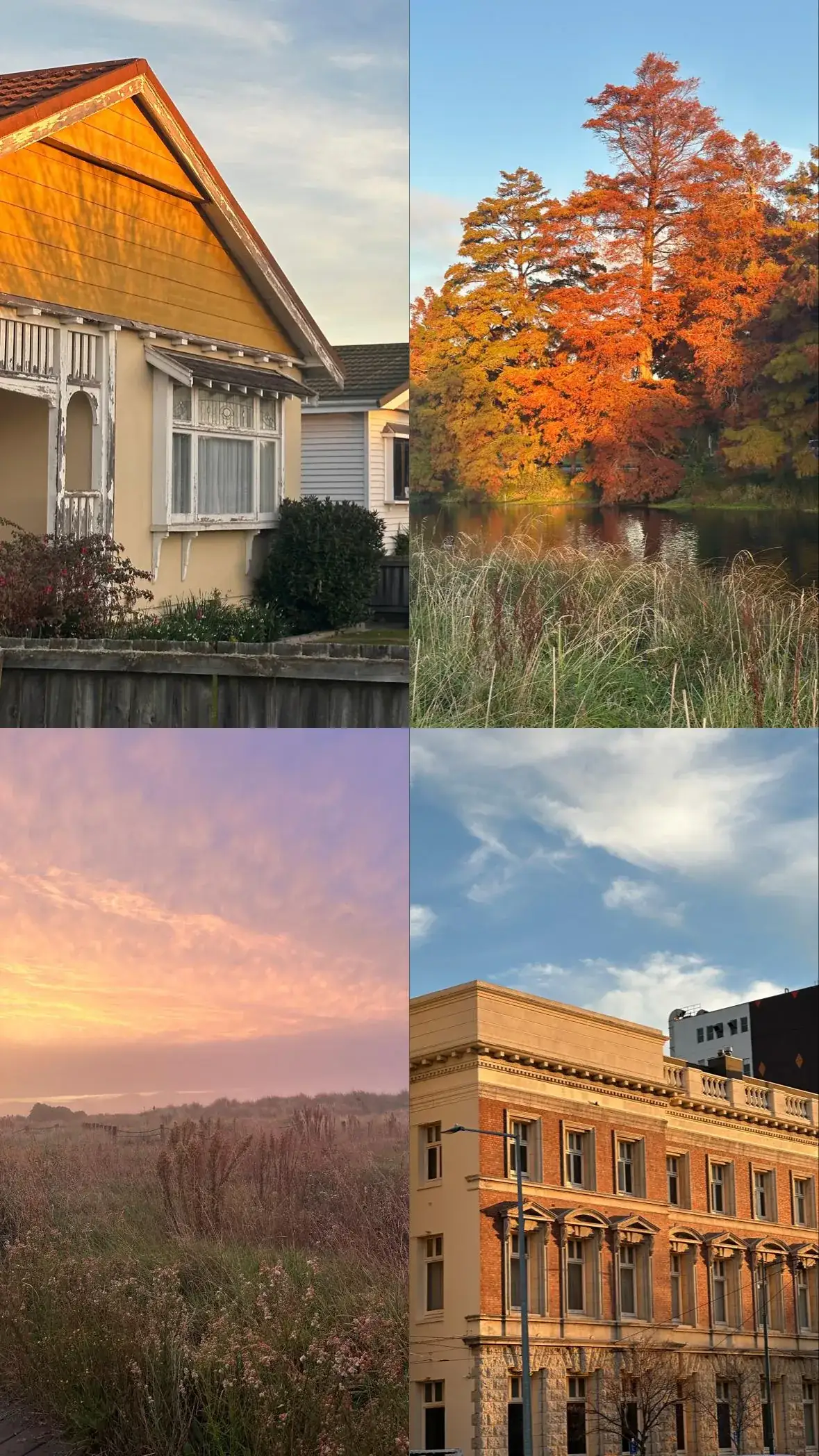 Ciudad de Chrischurch paseos por el centro y Sumner Beach